
 Aguilar
 Ampeg
Ampeg Apex Stages
 Avid
Avid DW Drums
 Fender
 Gallien Krueger
 Gloshine
 Hammond
 Korg
Korg Ludwig
 MA Lighting
 Mesa Boogie
 Midas
Midas Music Man
 Nord
Nord Paiste
 Pearl
Pearl Pioneer DJ
 ROE Visual
 Rane
Rane Roland
 Sabian
 Stageline
 Tama
Tama Technics
 Yamaha
 Zildjian
28 brands on the bench — Sulphur, LA — 30.23° N / 93.37° W
Nobody builds a show alone.
We own our audio, lighting, LED video, staging and mobile stage inventory. We run our own fleet and staff our own crews. That covers most of what a show needs — but not all of it, and not always.
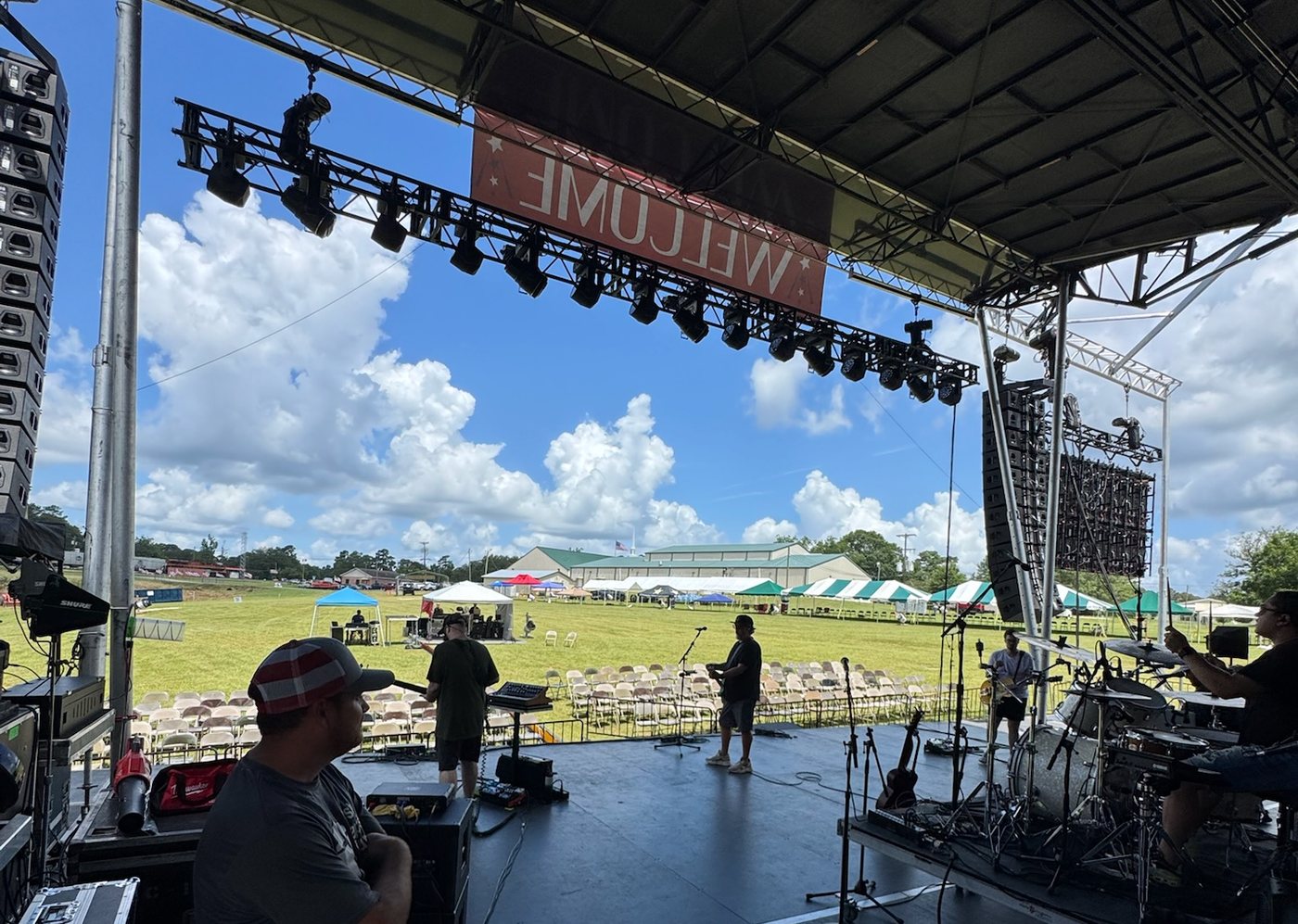
This page is for the people on that bench.
We own our audio, lighting, LED video, staging and mobile stage inventory. We run our own fleet and staff our own crews. That covers most of what a show needs — but not all of it, and not always.
Behind every production we deliver sits a bench of vendors, suppliers and subcontractors we call when a job needs something we don't carry, a market we don't have hands in, or a skill that belongs to a specialist. This page is for the people on that bench — and for the ones who should be.
If you manufacture gear, run specialty rigging, staff crews, supply freight, or provide any service that keeps a show moving, we want to hear what you do and where you do it.
Why we keep a vendor & brand partner network
The standard on our jobs is simple: doors open at seven whether or not the video wall is finished. We hold that standard with our own inventory and crews first. When something fails at 4pm on show day, we have a spare in the warehouse.
But redundancy isn't only gear on our own shelves. It's people. A partner who can put hands on a problem in a market where we don't keep a warehouse. A repair specialist who can go deeper into a console than our shop goes. A staffing firm that can scale a local crew for a load-in that doubles our standing headcount.
More than 30 years of load-ins has taught us the same lesson over and over: the shows that run on time are the ones where nobody on the crew is guessing. We'd rather have the number of a proven partner than guess at a solution on site.
The names that show up on riders.
28 brands on the bench
AmpegDW DrumsGloshineLudwigMidasPaisteROE VisualSabianTechnicsAmpegDW DrumsGloshineLudwigMidasPaisteROE VisualSabianTechnicsApex StagesFenderHammondMA LightingMusic ManPearlRaneStagelineYamahaApex StagesFenderHammondMA LightingMusic ManPearlRaneStagelineYamahaBrands named in our approved equipment and backline copy. Logos are shown to identify the gear we carry, specify and source — not to imply endorsement.
Where we bring partners in
We use vendors and partners in a handful of specific situations. If your work fits one of these, the introduction is worth sending.
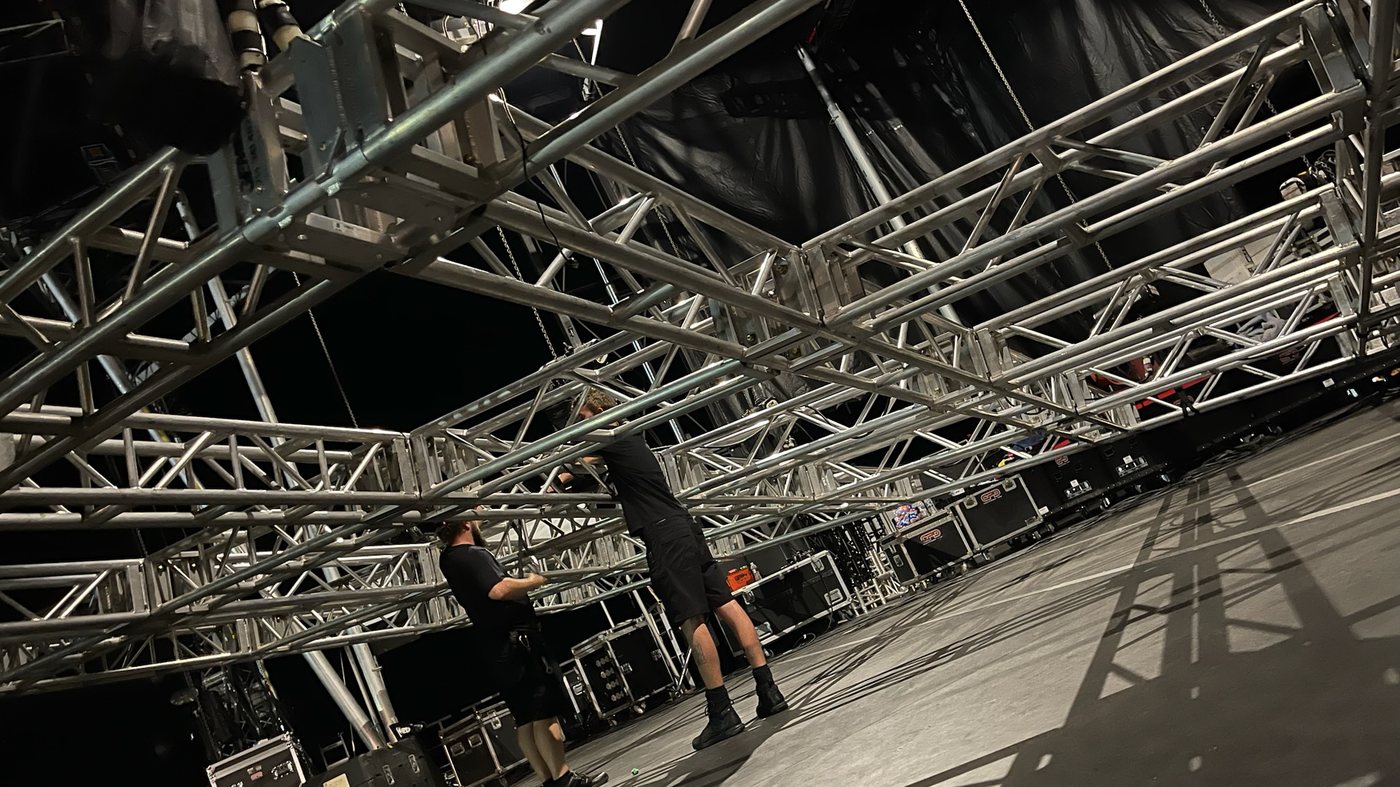
Specialty rigging and structures
when a job calls for engineering or rigging beyond our in-house scope, we bring in firms that do that work every day. Rigging & Truss
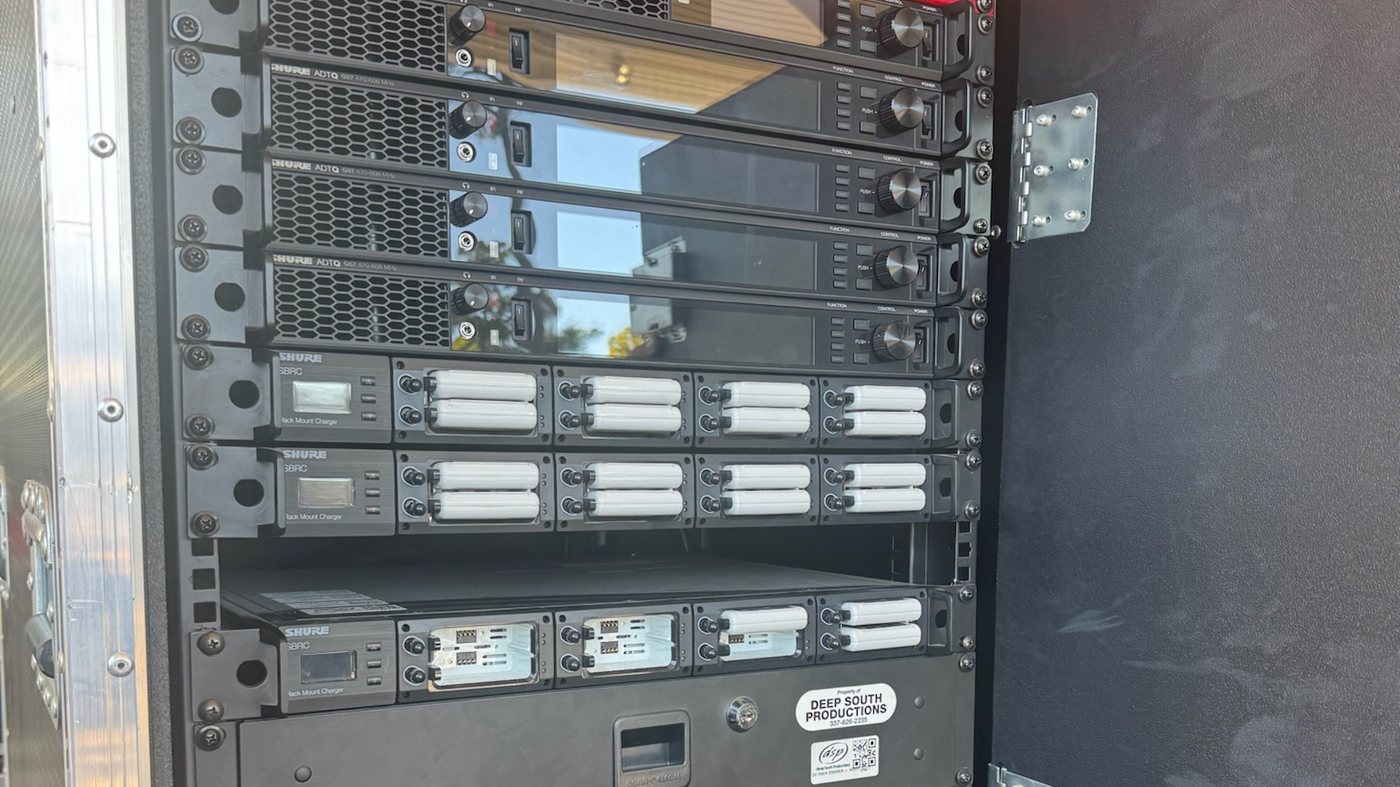
Repair specialists
our shop handles basic soldering and component work in-house. Deep board and PCB repairs go out to specialists by gear type, so a dead amp or a failed power supply doesn't end a tour leg. That applies across the backline we carry — drums, guitars, amps, keyboards, DJ gear — and it means the specialists we work with are part of keeping riders satisfied. Backline
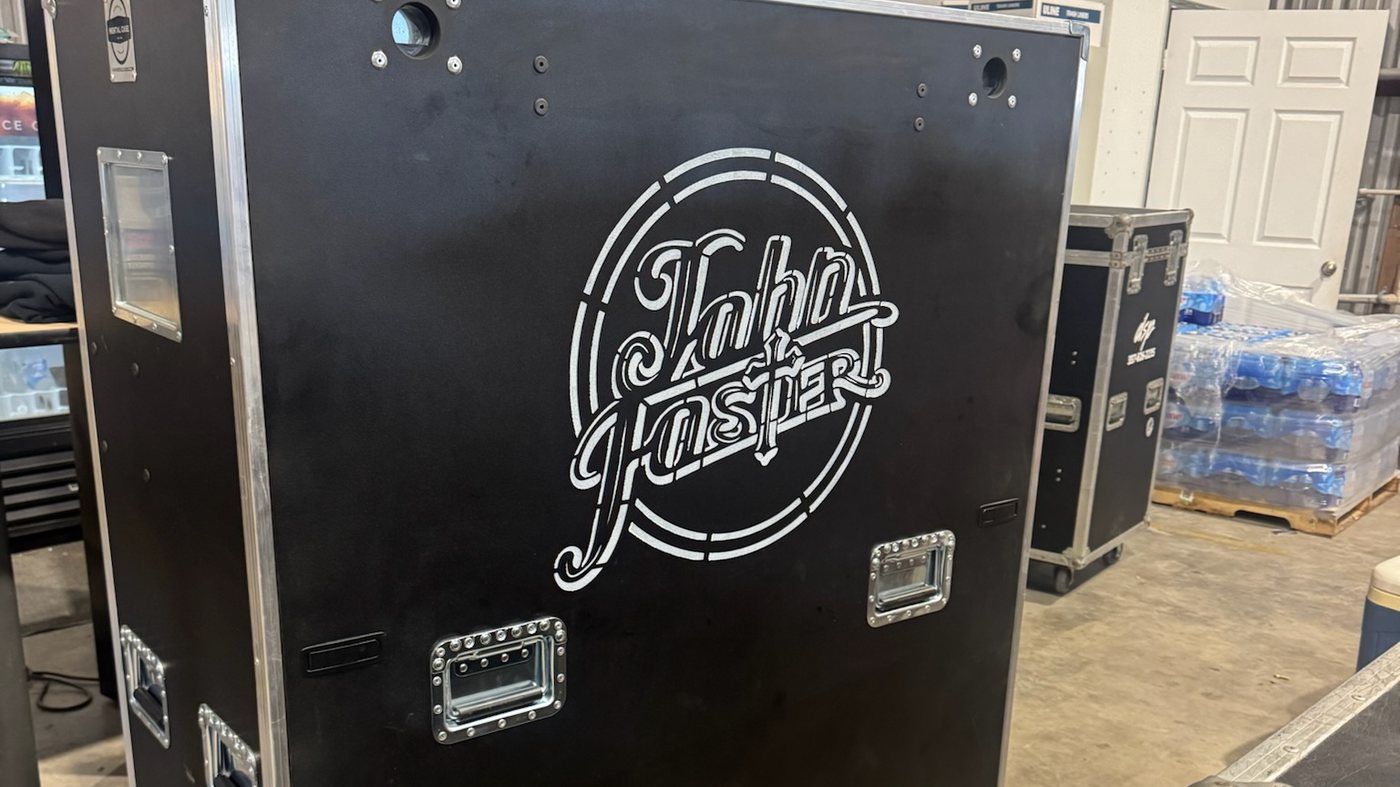
Out-of-market sourcing
when a touring act needs a piece we don't have on the shelf, we source it externally. If you carry gear that shows up on riders and you can deliver on schedule, we should know your name before we need it.
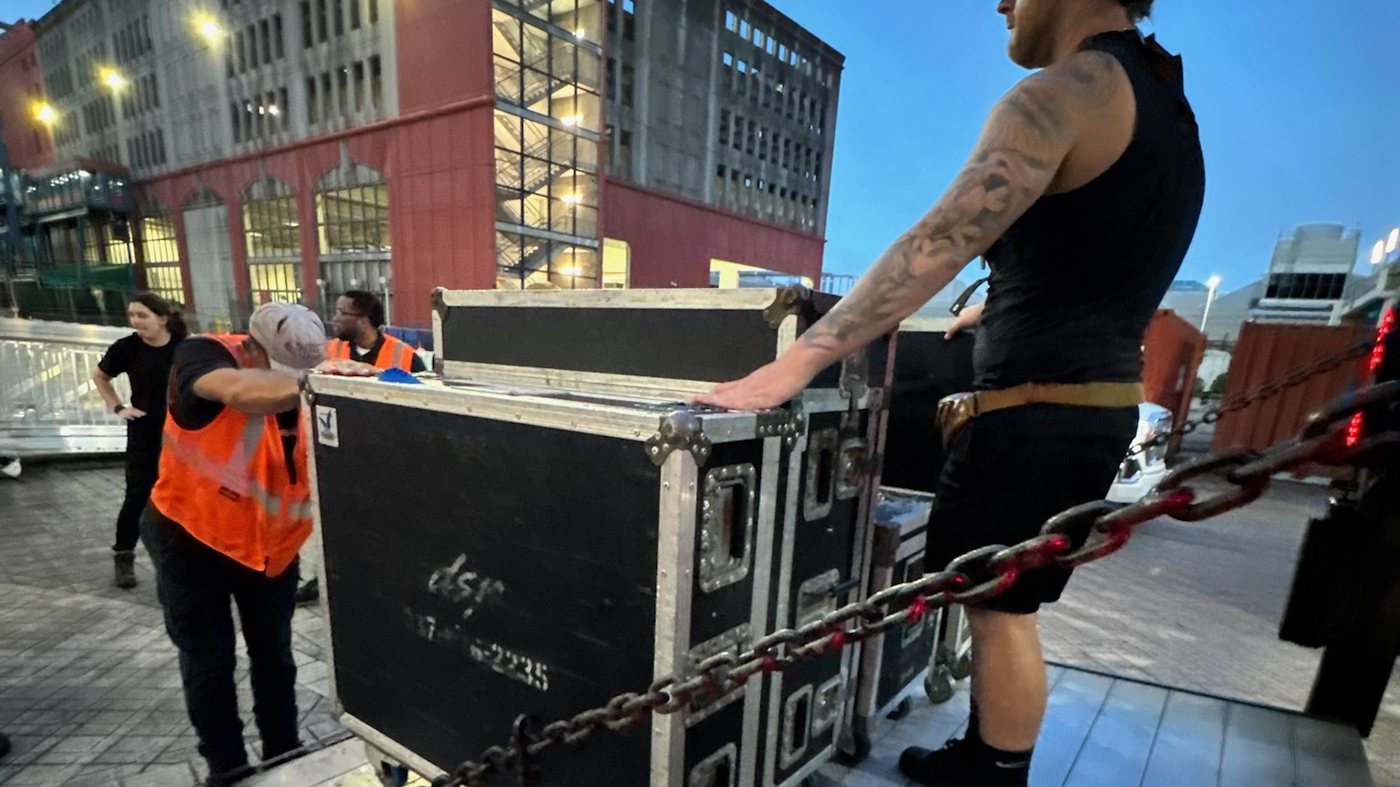
Staffing partners
local crew calls scale fast. Festival load-ins and one-day turnarounds can need more stagehands, drivers and techs than we have on staff in that market. Staffing partners help us meet the headcount without cutting the standard.
Freight, trucking and logistics
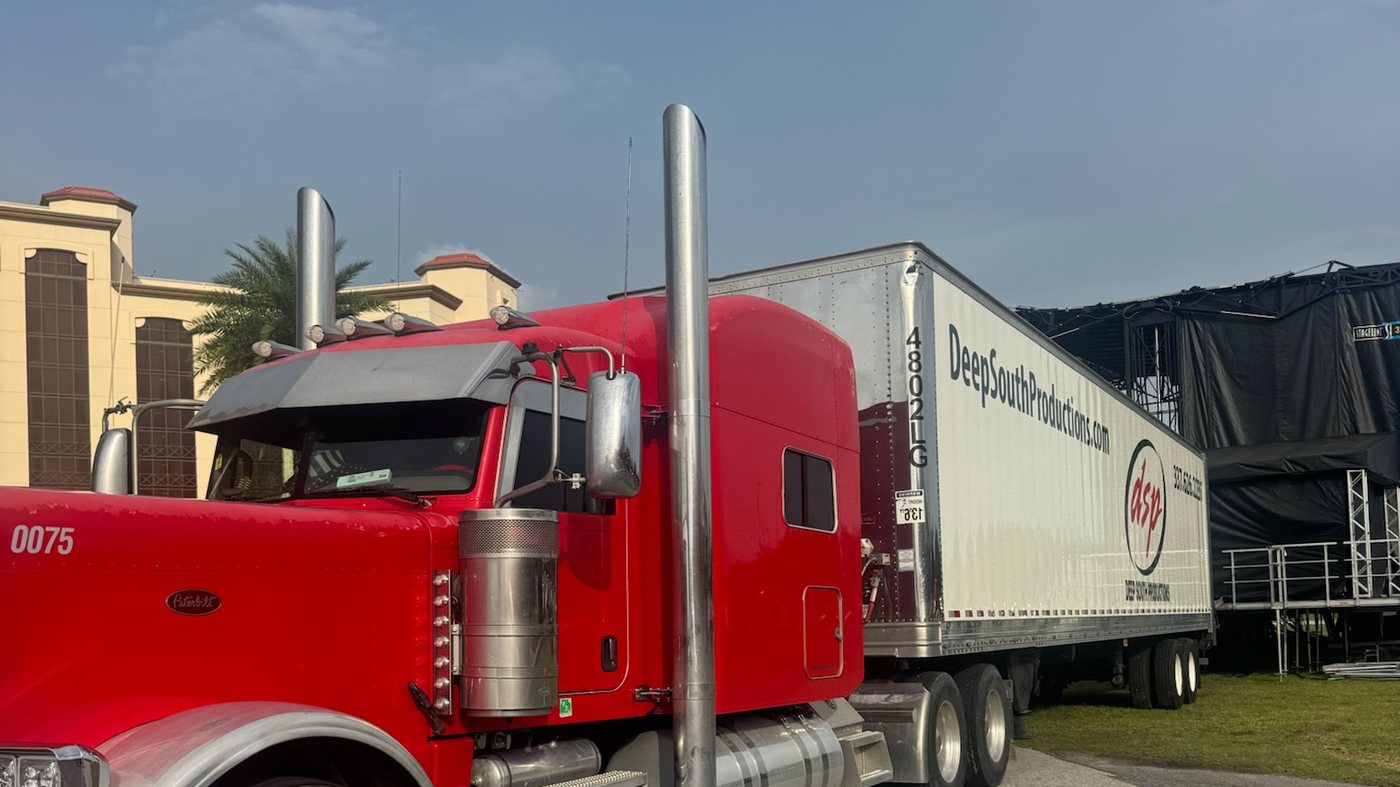
we run our own fleet across the US and into Canada. Jobs still come up where routed freight, oversized permits or a second truck in another city belong to someone whose whole business is that lane. Logistics & Trucking
What we ask of a partner
We're careful about who works under our name. Our clients hear one voice — ours. A vendor or subcontractor on our job is part of that job, and the standard travels with it.
What that means in practice:
If you've worked events before, none of that should surprise you. It's the same standard you'd hold us to.
- Show up when you said you would. Load-in schedules are built downstream of every arrival. A late truck is a late sound check.
- Bring what the scope says. We quote against a written scope and a number. What arrives on site should match it.
- Flag problems early. A heads-up at 10am is a plan. A surprise at 4pm is a failure we both own.
- Know your lane. Specialty partners do the specialty work. We coordinate; you deliver; the client gets one point of contact — us.
What partnership means once you're on a job
When we bring a partner onto a production, we stay accountable to the client from the site survey to the last truck off the lot. That's not a figure of speech — it's how we keep the roster of clients we've built over more than 30 years, from arena tours to festival main stages to corporate general sessions.
For you, that means a few things:
The scale of our work runs from a hotel ballroom general session to a festival main stage. The standard doesn't change between them, and neither does what we expect from the people we bring in.
- You get a real producer on the other end — someone who has walked the site and knows the run of show.
- You get accurate information up front: scope, schedule, site conditions, who else is on the job.
- You get paid on the terms we agree to, and you get straight answers if something changes.
- If your work is good, you get called again. We build our bench on repeat performance, not on who called last.
What we don't outsource
Worth saying plainly, so you know where the line is: the core of the production stays in-house. Audio, lighting, LED video, staging, mobile stages — that's our own inventory, our own crews, our own trucks. We're not looking to subcontract the parts of the show we already own.
What we want is everything around it: the specialists, the suppliers, the regional capacity that lets us say yes to a job we'd otherwise have to pass on. If that's you, introduce yourself.
How the introduction works
Send us an introduction with two things: what you provide, and where you operate. That's the start. Add lead times, capacity, service area, or the gear and brands you carry if they're relevant.
We read every one and route it to the producer who handles that type of work. Expect a reply within one business day — usually sooner. The first conversation is a conversation, not a pitch. We'll ask what you run, where you're strong, and what a typical job looks like on your end. If the fit is there, we'll tell you what kinds of work we'd call you for.
Two ways not to reach us:
If you're a freelancer looking for work rather than a company offering a service, this page isn't the door — Careers is. Crew applications land with the people who book crew.
- Don't use the quote form. Vendor introductions go through a producer, not the general enquiry queue. The form is for people booking events.
- If the work is close-in, call. Inside two weeks, the phone is faster: 337.626.2235. Show days don't keep office hours and neither do we.
Two things to start: what you provide, and where you operate.
Add lead times, capacity, service area, or the gear and brands you carry if they're relevant. It goes to the producer who handles that type of work — expect a reply within one business day.
- 01 What you provide
- 02 Where you operate
- 03 Lead times & capacity
- 04 Brands or gear you carry
FAQ
What is a vendor and brand partner?
A company or individual we call on for goods or services we don't supply from our own inventory — manufacturers, subcontractors, specialty rigging firms, staffing partners and suppliers. Some relationships are one job deep; others run for years across dozens of shows. Either way, the introduction starts the same way: tell us what you provide and where you operate.
How do I become a vendor or partner?
Send an introduction — what you do, where you work, and what a typical job looks like on your end. It goes to the producer who handles that type of work, and you'll hear back within one business day. If it's a fit, the next step is a conversation about the kinds of jobs we'd call you for.
Do you rent or source gear from outside vendors when your inventory doesn't cover a rider?
Yes. When a touring act's rider calls for something we don't have on the shelf, we source it externally. If you carry backline, audio, lighting or specialty gear and can deliver on schedule in your market, that's exactly the kind of introduction we want.
Do you use staffing agencies for crew?
Yes, for local crew scale-ups in markets where we need more hands than we have on the ground — stagehands, drivers and techs for festival load-ins and one-day turnarounds. Individual freelancers, though, come through Careers directly so their credentials reach the crew booking team.
Who's my point of contact once I'm working one of your jobs?
The producer who handles that type of production. You'll know them before the load-in — they'll have walked you through the scope, the schedule and the site. If something goes sideways on site, you call that person, not a call center.
We're close to your market but not in Louisiana. Does that matter?
No. Sulphur, LA is home base and we work across the United States and into Canada with our own fleet, but a lot of what we need from partners is regional capacity and specialist skill wherever the job is. Tell us where you operate — that's the first thing we want to know.
Send us
your introduction.
Send us your introduction — what you provide and where you operate. If the fit is there, you'll hear from the producer who handles that kind of work, not a form response. If the work is close-in, skip the form and call.