

We own the gear, so we answer for it
A lot of production companies are brokers. They quote your show, then rent the pieces from whoever has them. That works until the day a wall comes in short or a console goes down, and nobody owns the problem.
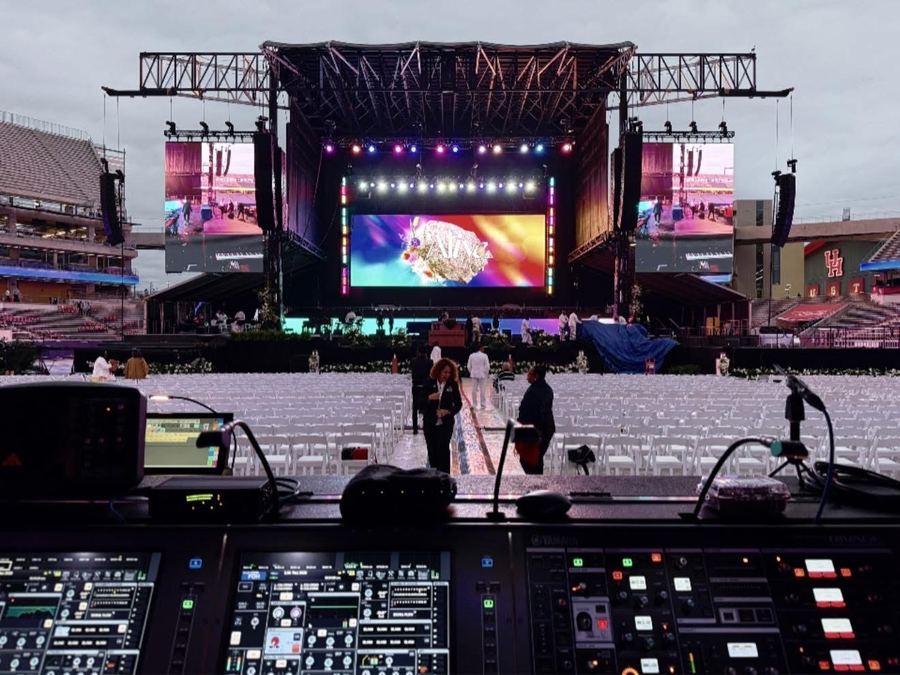
We own our audio, lighting, LED video and staging inventory. We run our own trucks. We staff our own crews. One company is accountable from the site survey to the last truck off the lot. When something fails at 4pm on show day, we have a spare in the warehouse — not a phone call to a third party who may or may not have one.
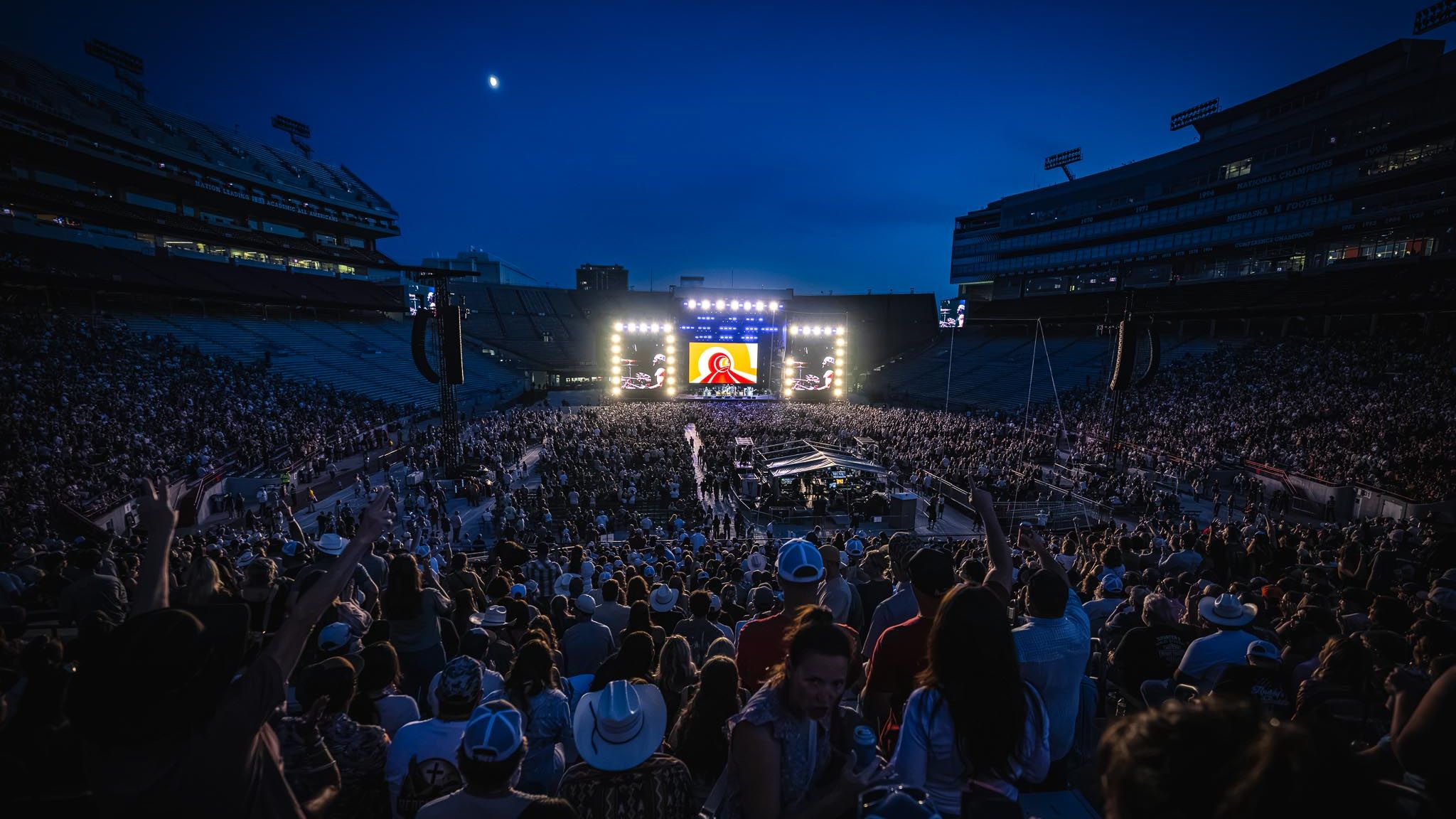
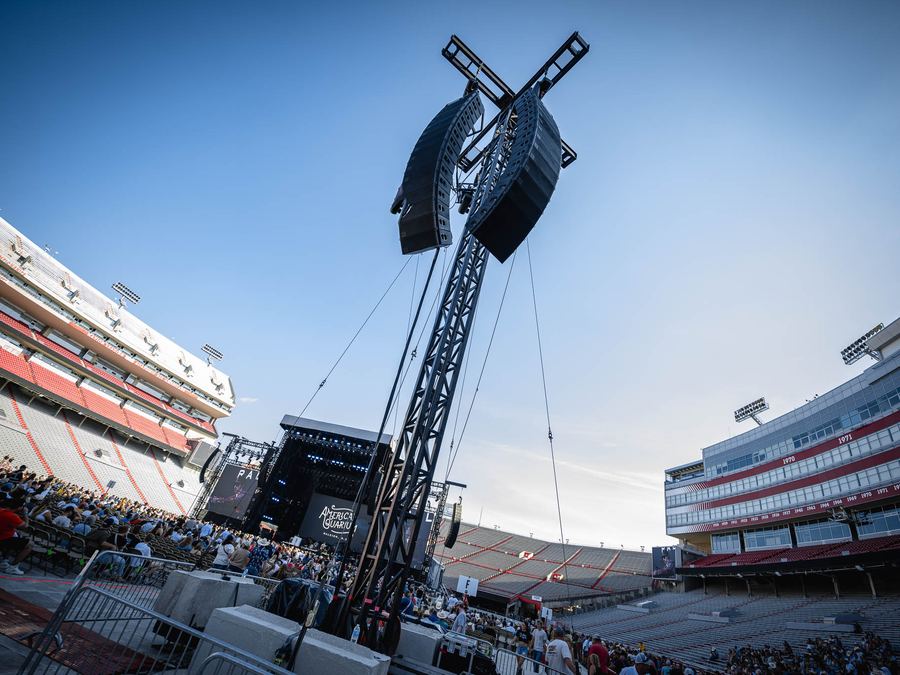
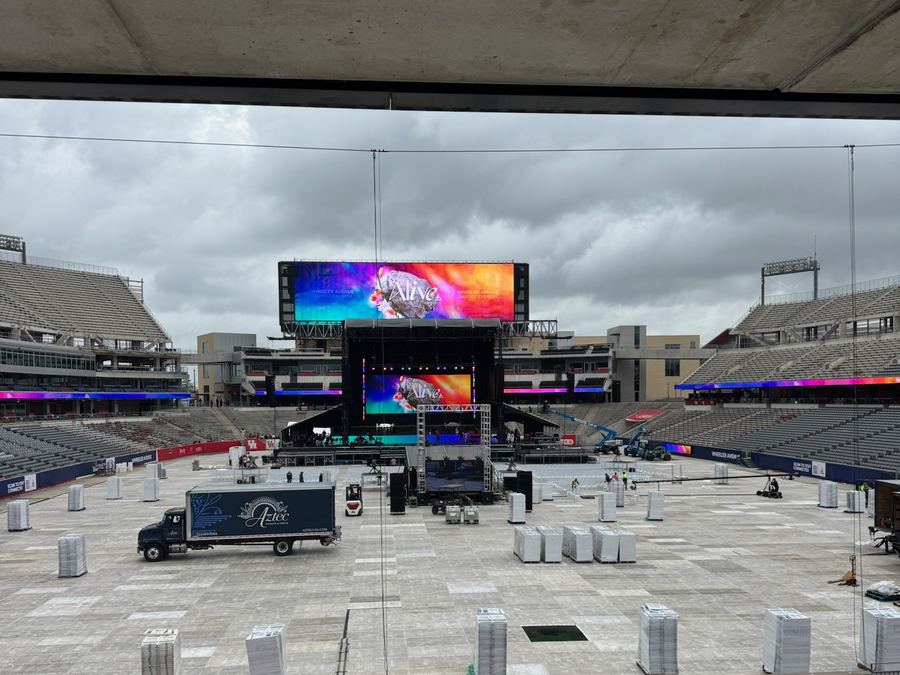
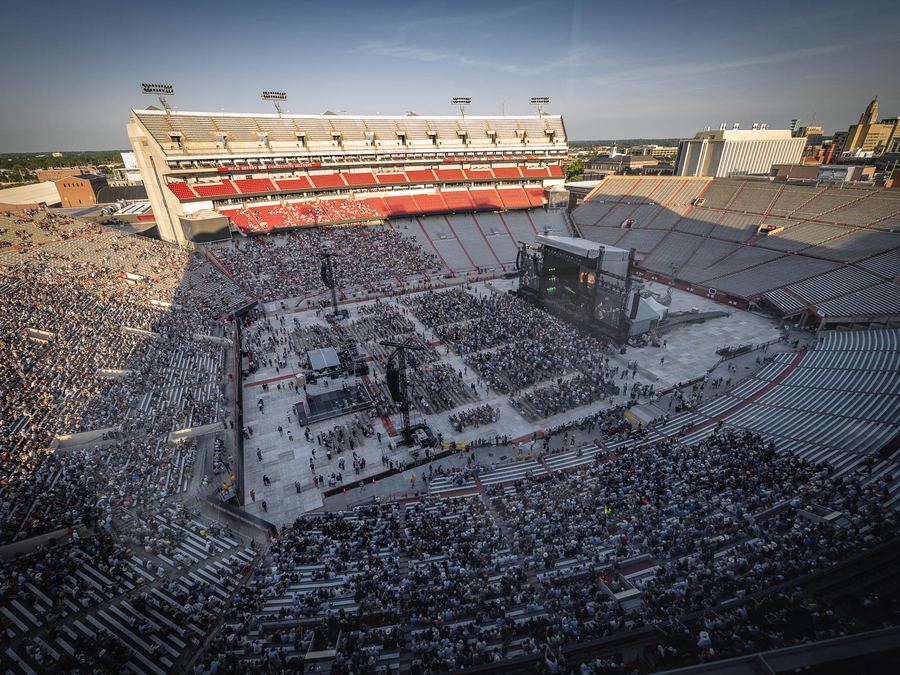
That matters more in arenas and stadiums than anywhere else. The buildings are far apart, the load-in windows are fixed, and the freight costs of a mistake go up with every hour of the day. Our own fleet means we control the trucking, not hope someone else controls it.
What that looks like on a festival or tour
Audio
Line arrays, consoles and comms sized to the room. Big rooms punish the wrong rig, and so does the guy in section 312.
Lighting
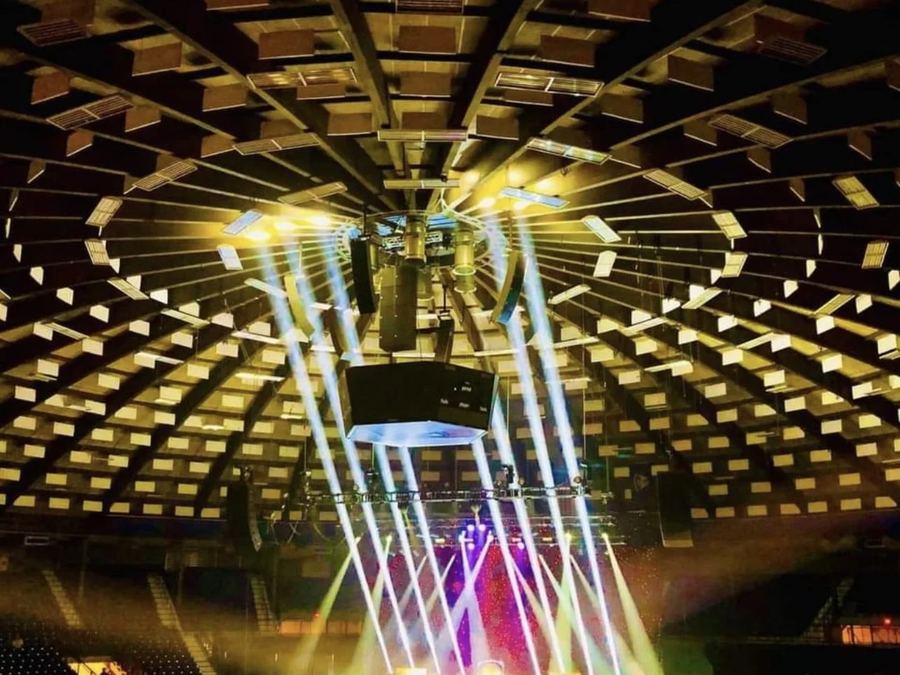
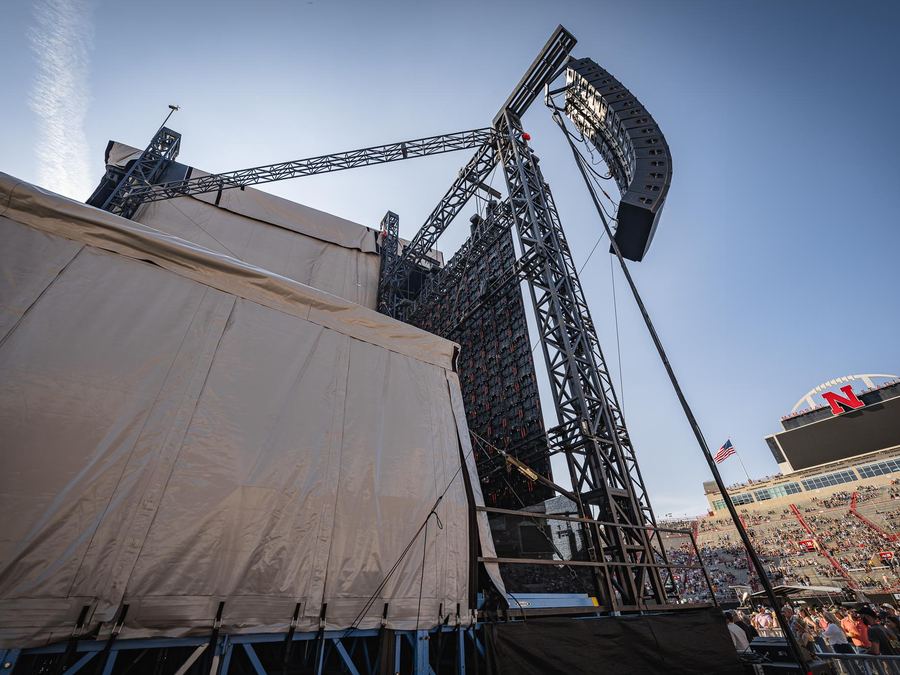
Truss, fixtures and rigging plots that work with the house steel, not against it. Our lighting work earned a PLSN Regional Lighting Company of the Year award at the 2022 Parnelli Awards.
LED video
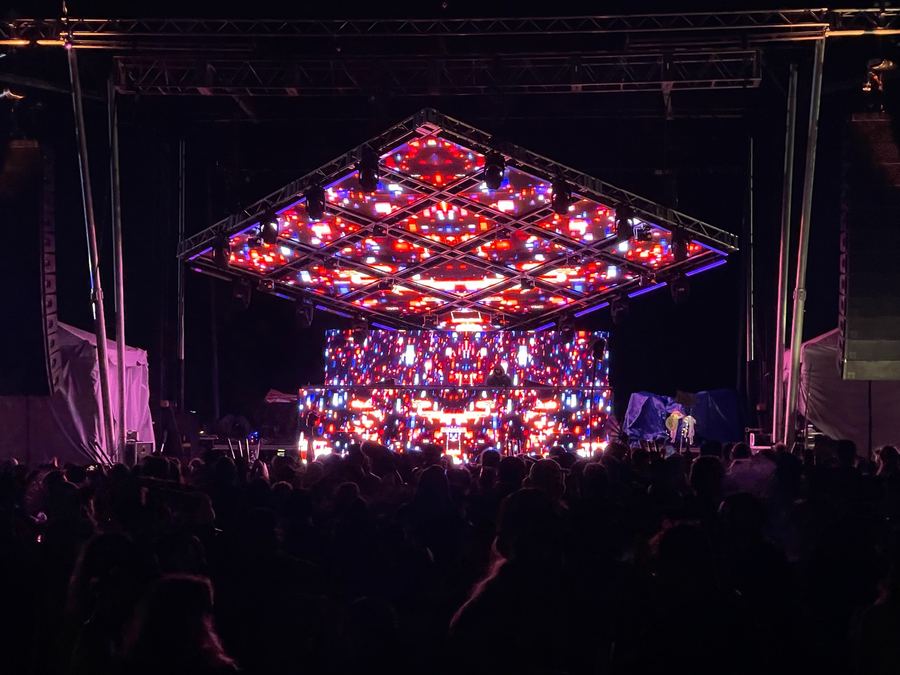
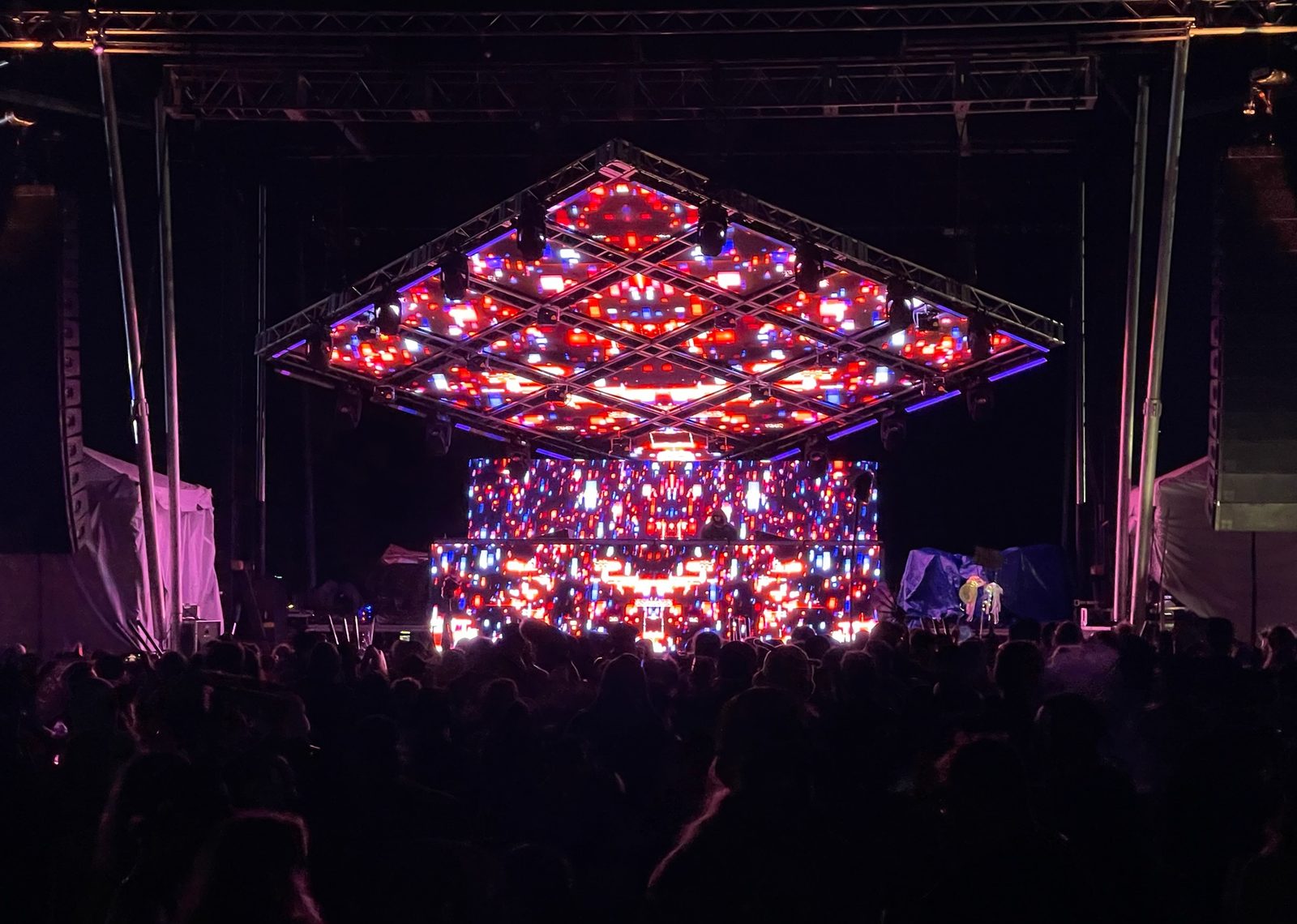
Walls scaled to the sightlines the building gives you, not the ones the rendering promised.
Staging and crowd control
Stage decks, barricade and the crowd-flow thinking that keeps the floor and the bowls working.
Thirty years of load-ins in the rooms that matter
We've been doing it for more than 30 years of load-ins. The venues on our credit list — the Superdome, AT&T Stadium, TD Garden, Toyota Center, Bridgestone Arena, State Farm Arena, Dickies Arena, T-Mobile Arena, Prudential Center, the Alamodome — are buildings where the in-house systems are real, the house crews are real, and the margin for error is thin. You don't walk into those rooms to learn on the job.
Scale in both directions
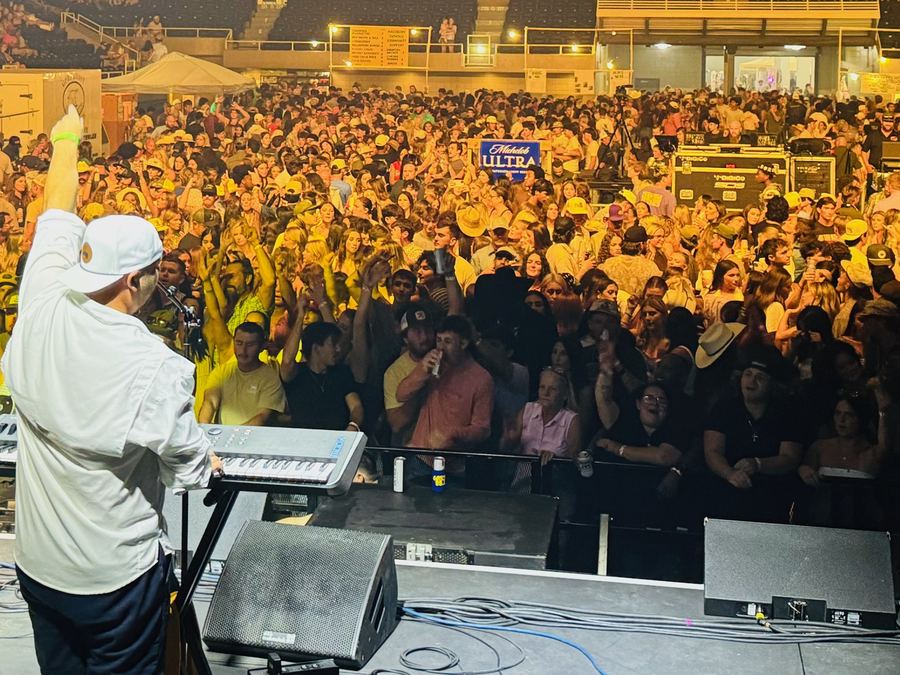
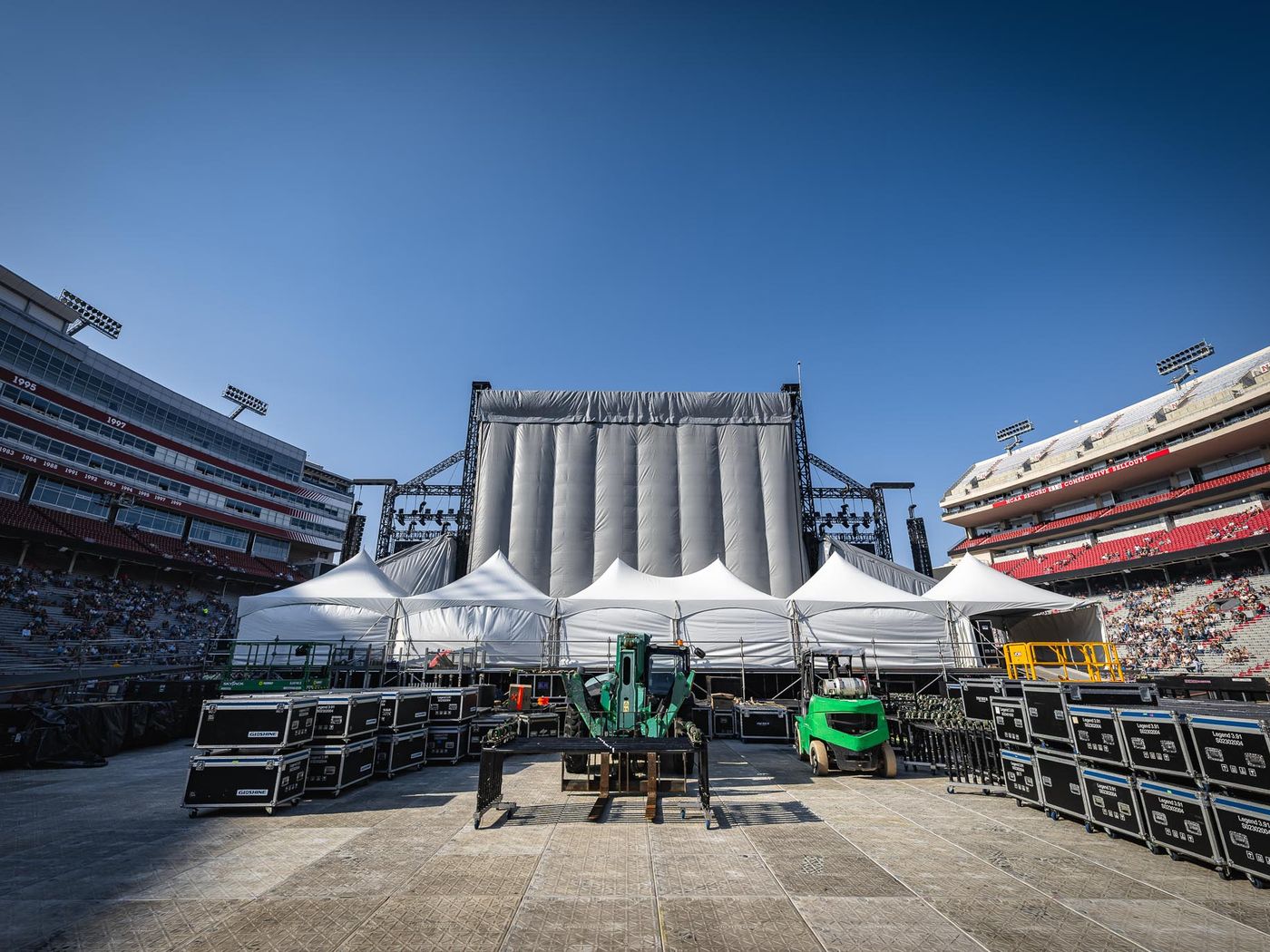
We build festival main stages and we build hotel ballroom AV. The scale changes; the standard doesn't. That matters to an arena buyer because the same company running a three-day stadium show can handle the auxiliary needs around it — the pre-show activation on the concourse, the press event in a meeting room, the smaller stage behind the venue.
Not every production company can do that. If you're booking separate vendors for the main stage and everything else, you're managing more relationships than the job requires.
What we need from you, and what you get back
01 Site Survey & Planning
The site survey comes first — the points, the power, the dock, the freight path and the house systems. Surprises on load-in day are planning failures that happened weeks earlier.
02 Written Scope & Reconciliation
The rider and the stage plot get reconciled early against what the room and the schedule will actually allow, not just what the paperwork says.
03 Execution & House Coordination
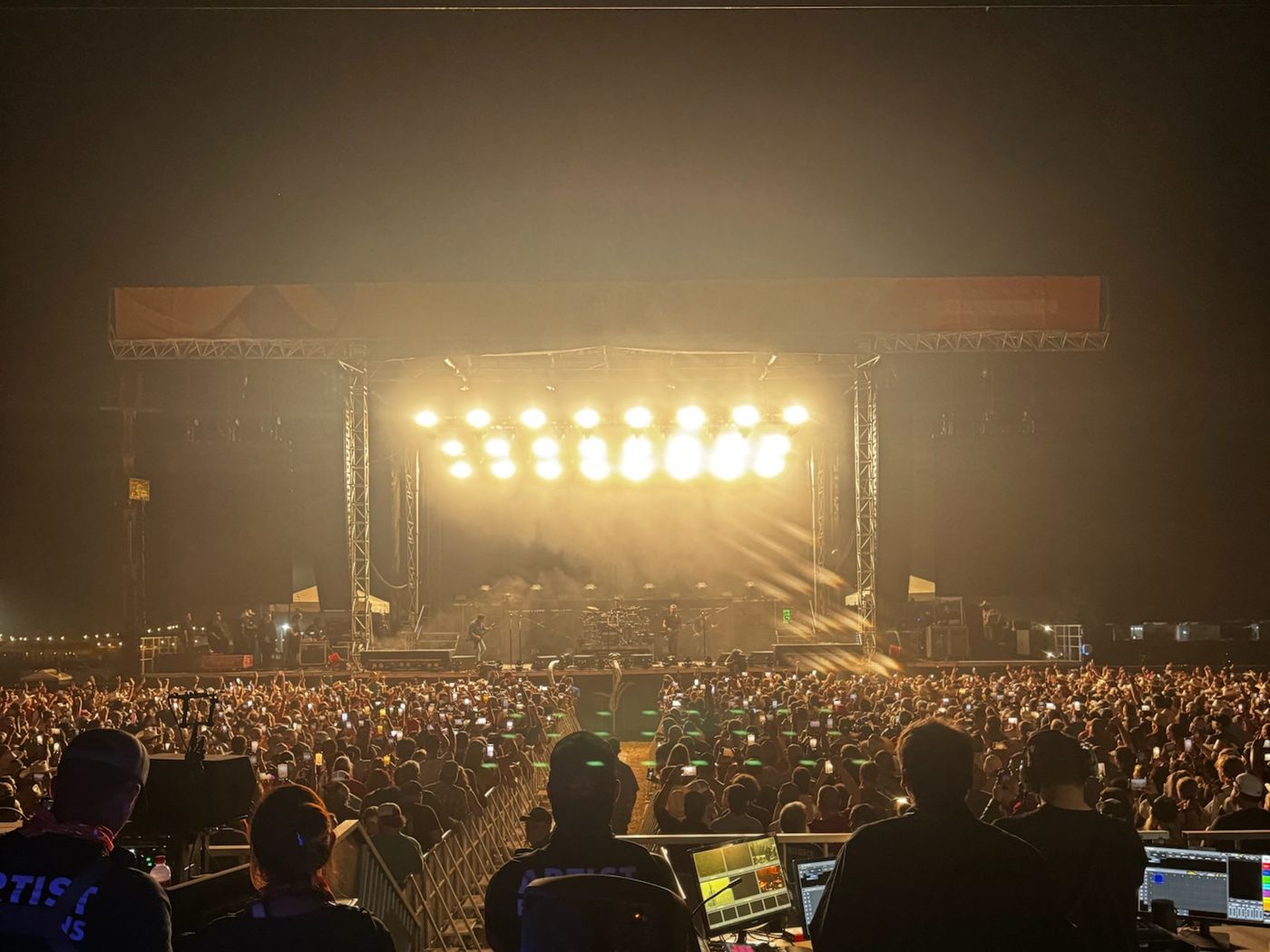
The house crews get treated as crew, not obstacles — they know their building, we know our gear, and the show benefits from both.
Real arena schedules slip. Artists move dates. Weather closes an outdoor bowl. Short-notice work is a real part of what we do — call the office instead of using the form, because the phone is faster.
Why promoters and tour managers call us back
We've been doing it for more than 30 years of load-ins in buildings where the in-house systems are real, the house crews are real, and the margin for error is thin.
Our lighting work earned a PLSN Regional Lighting Company of the Year award at the 2022 Parnelli Awards, and our own fleet and inventory mean we control the trucking and accountability from start to finish.
FAQ
What is arena and stadium production?
It's the full production layer for events in large fixed venues — audio, lighting, LED video, staging, rigging, power, trucking and crew — delivered inside a building's existing systems and hard schedules. Unlike a festival or a ballroom, an arena brings house riggers, house power and fixed load-in windows, so the production plan has to be built around the building from day one.
Do you work with the house crew or around them?
With them. Arena and stadium staff know their building, and the show is better when their knowledge and our gear are working together. We coordinate through the venue's production office during the site survey so nobody meets for the first time on load-in day.
Can you supplement a touring production that brings its own rig?
Yes. If a tour or promoter brings their own audio or lighting and needs supplemental LED, staging, rigging, power or labor at the building, we fill the gap. Tell us what's coming and what's missing, and we'll tell you what we can cover.
How far in advance do you need to book an arena or stadium show?
Earlier is better, mainly because the building's calendar and our inventory calendar both fill. That said, we do short-notice work regularly. If your date is close in or another vendor has fallen through, call 337.626.2235 rather than using the form.
Do you travel outside Louisiana for arena work?
Yes. We're based in Sulphur, LA, with locations in Houston and New Orleans, and we work across the US and into Canada with our own fleet. Trucking is part of our operation, not an outsourced line item.
How much does arena production cost?
Scope, scale, duration and travel all move the number, and a one-night arena show and a stadium build aren't in the same conversation. We don't print prices — give us the date, the venue, the headcount and the scope, and you'll get a written number rather than a guess.
Tell us the building, the date, and what has to happen
for the show to work.
You'll get a real producer, not a form response — and a written scope and a number, not a range. Request a Quote at /contact or call 337.626.2235.