
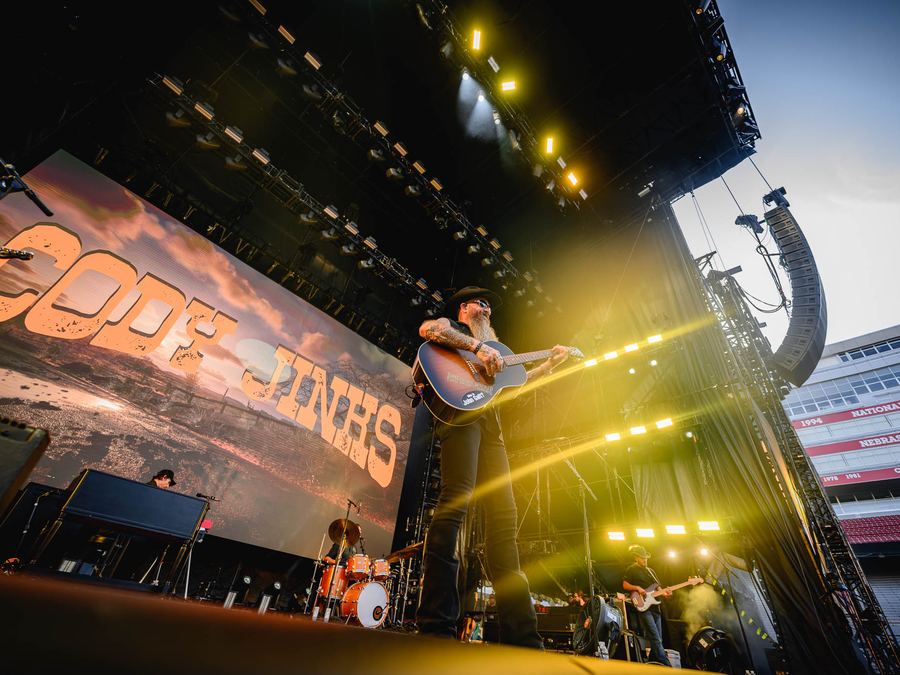
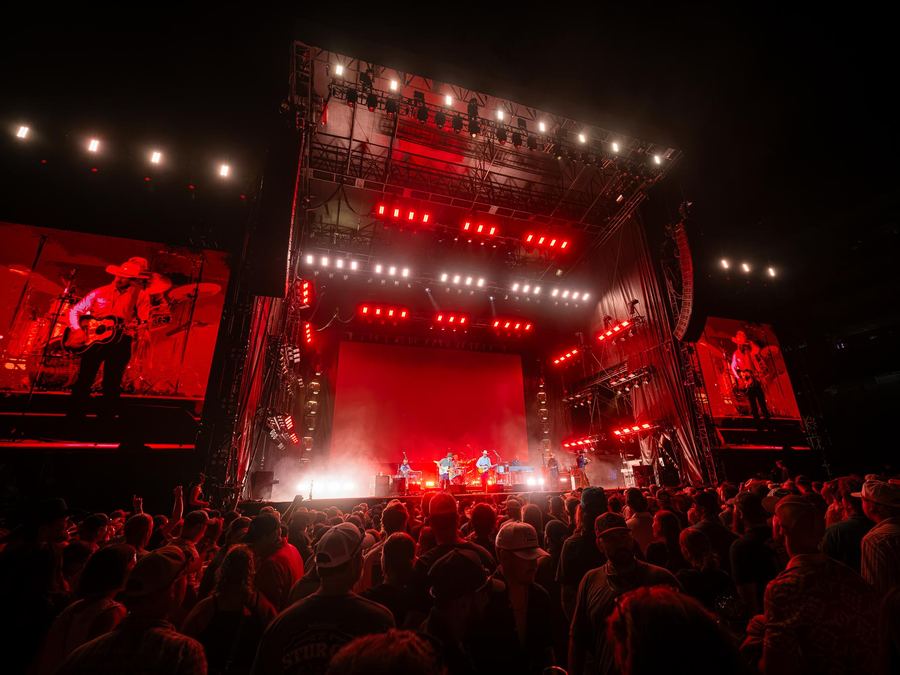
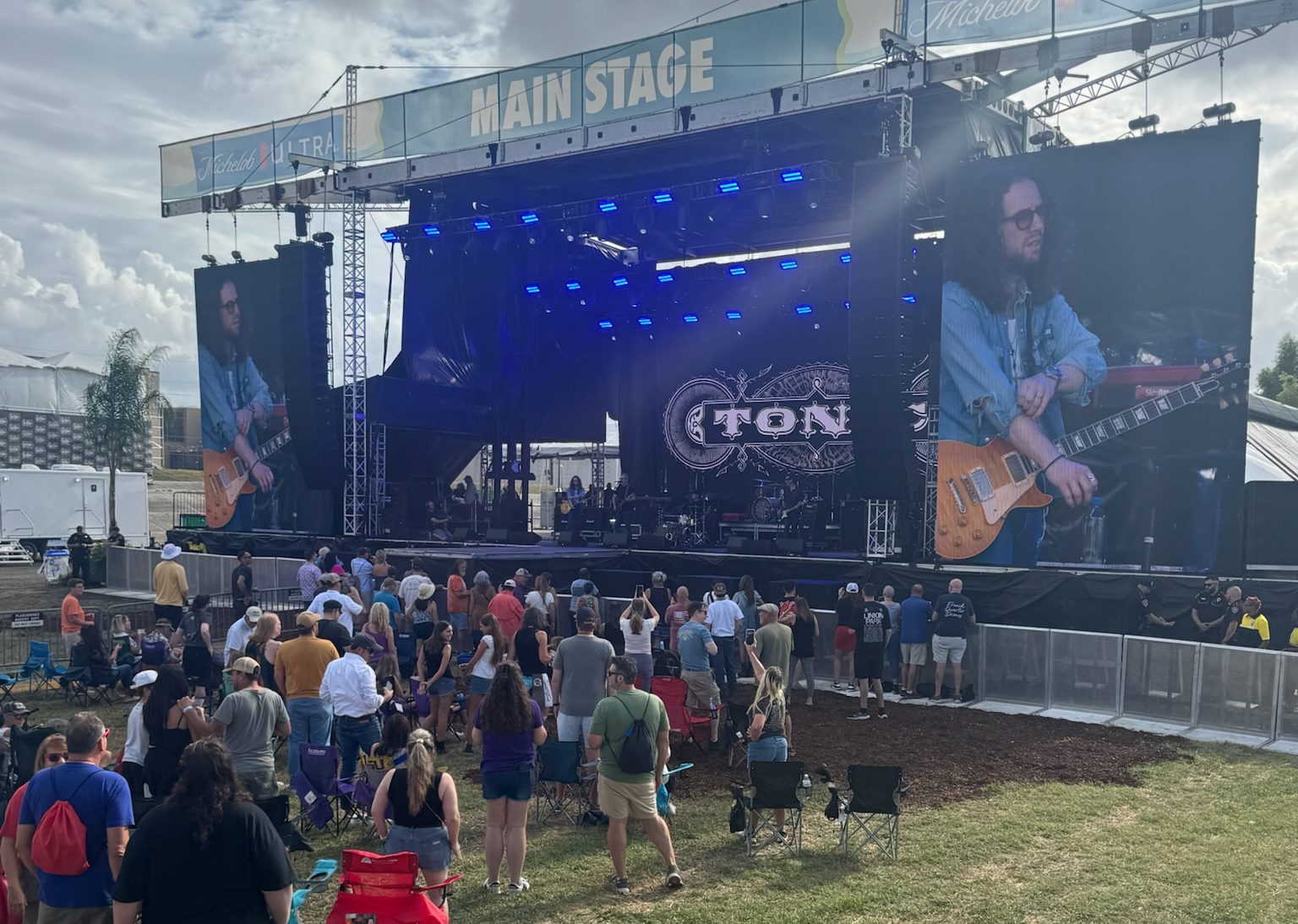
Most festival and tour production problems come from seams.
Most festival and tour production problems come from seams — the gaps between the company that owns the gear, the company that trucks it, the company that staffs the crew, and the company that signed the contract. When something goes wrong at 4pm on show day, everyone points at the seam.
We don't run that way. We own the audio, lighting, LED video and staging inventory. We run our own fleet. We staff our own crews. That means one company is accountable from the site survey to the last truck off the lot — and when something fails, we have a spare in the warehouse instead of a phone call to a third party.
A festival is a different job. A tour is a different job again — the same show, done right, in a different city every night. We produce both. Festival Production and Touring Production are standalone services; this page is about how they fit together.
What that looks like on a festival or tour
Owned gear, no middleman
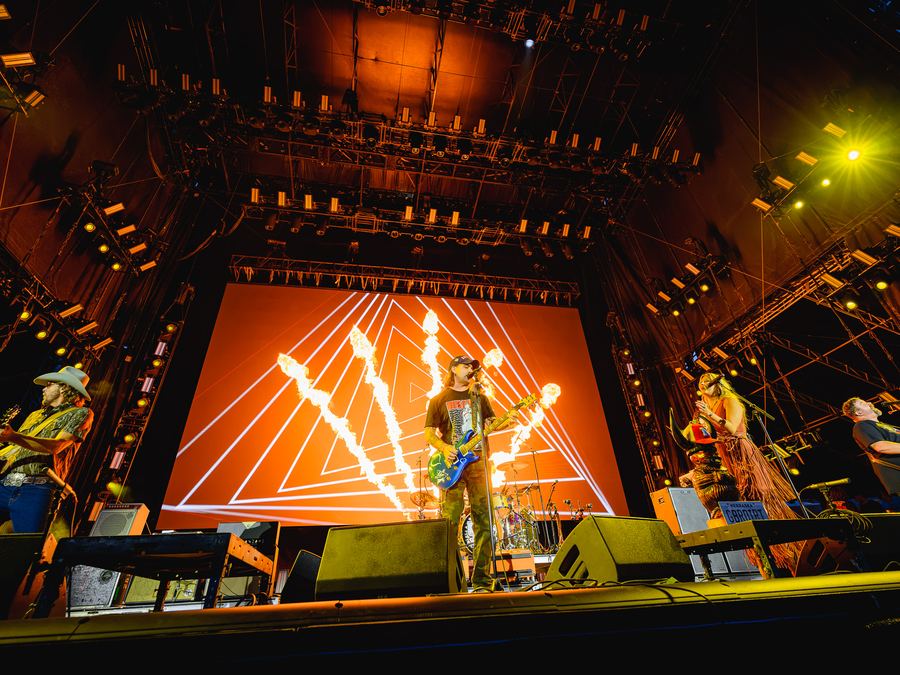
Line arrays, consoles, lighting rigs, LED video walls and staging come off our own trucks. If a unit goes down, we swap it — we don't subcontract around it.
Our own trucks
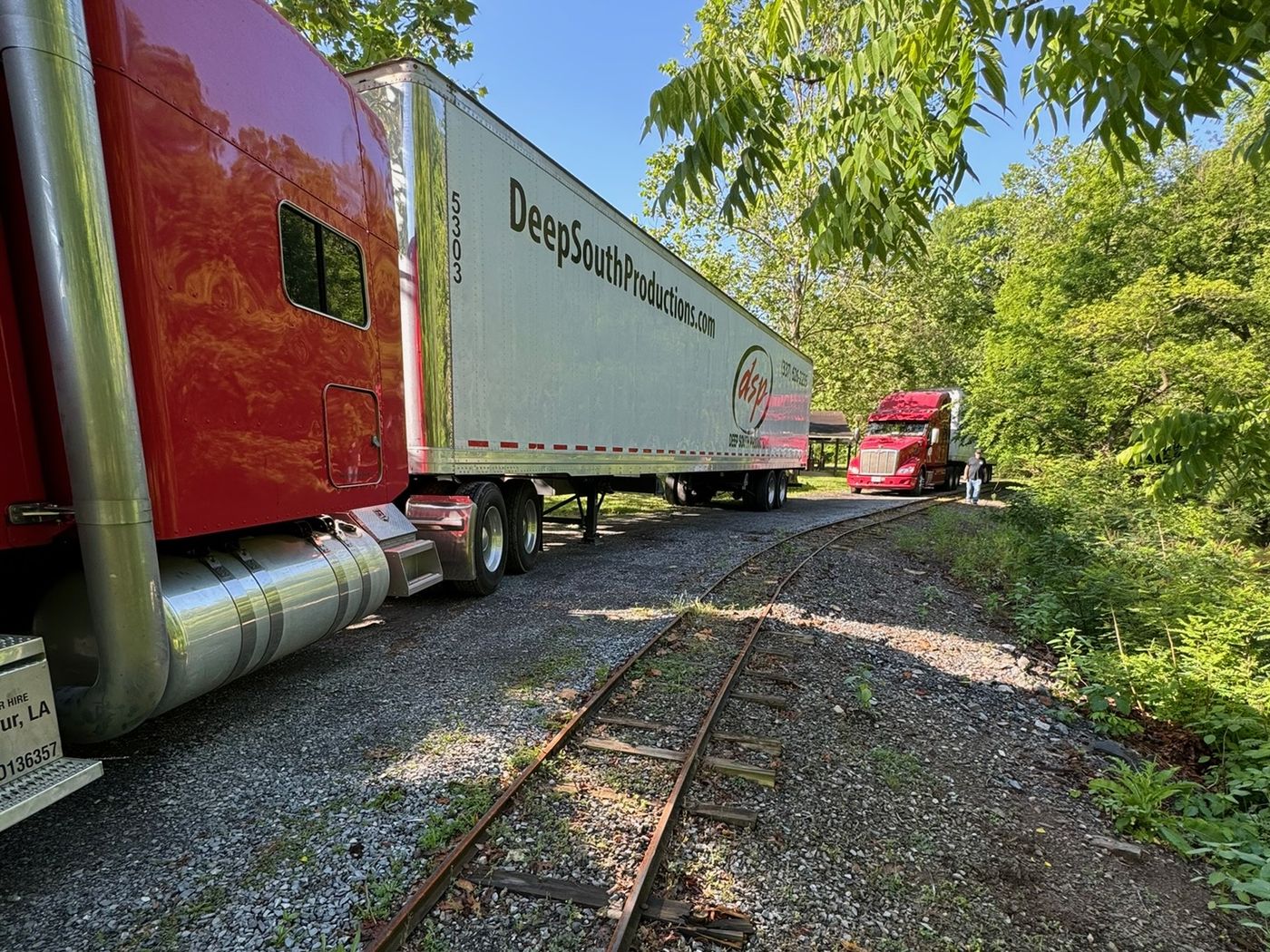
We move gear across the United States and into Canada with our own fleet, so load-in windows are ours to hit, not a freight company's.
Our own crews
The people who built the rig in the warehouse are the people who build it on your site. No handoff between vendor and labor.
Scale in both directions
A main stage with a full video wall and a second stage with a compact PA are the same standard of work at different sizes.
Festivals are won at the load-in.
The stage plot, the site plan, the power distribution, the truck schedule and the changeover rhythm all get decided before the first case comes off the truck — and after that, the schedule is the schedule. Doors open at seven whether or not the video wall is finished.
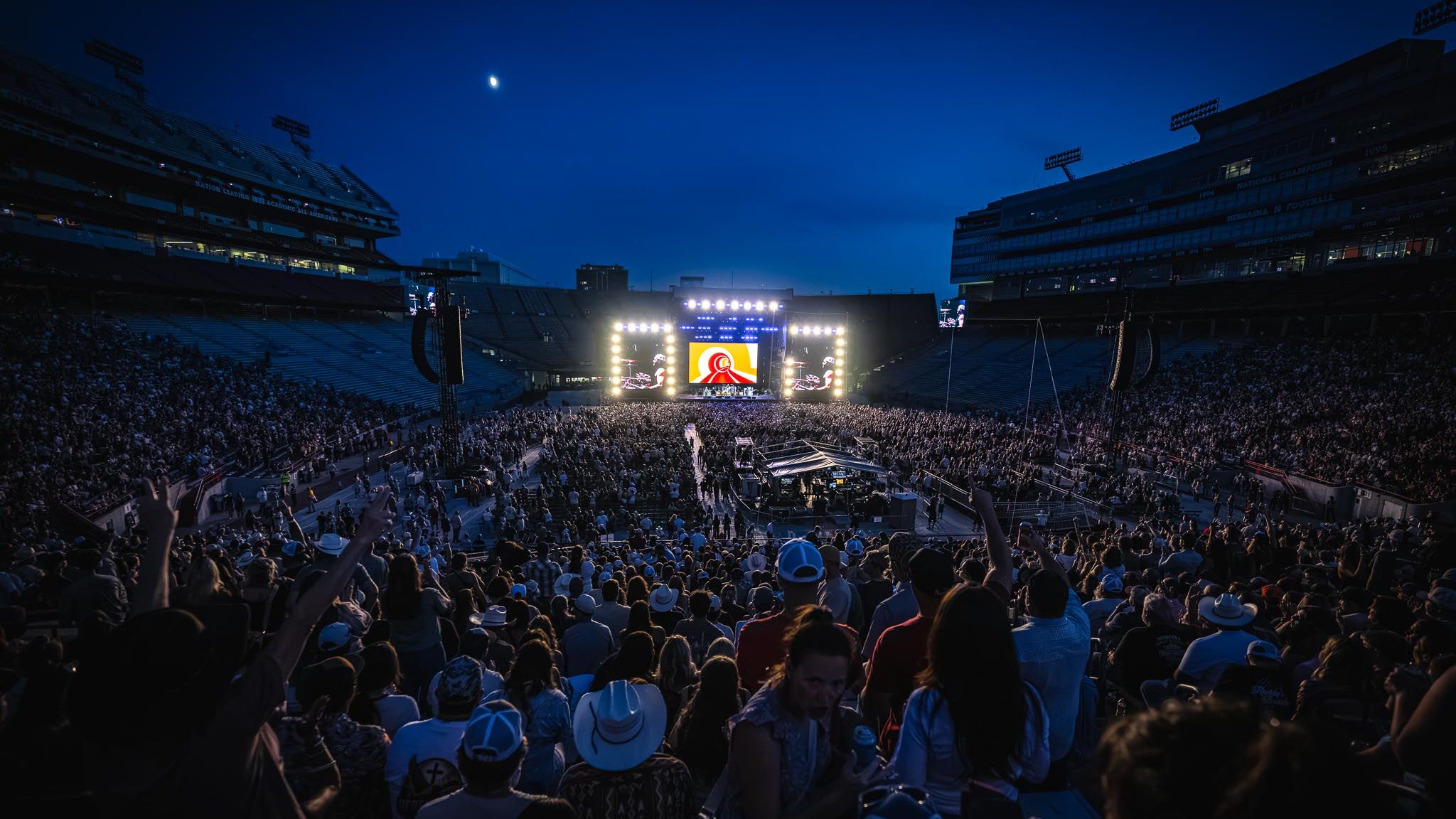
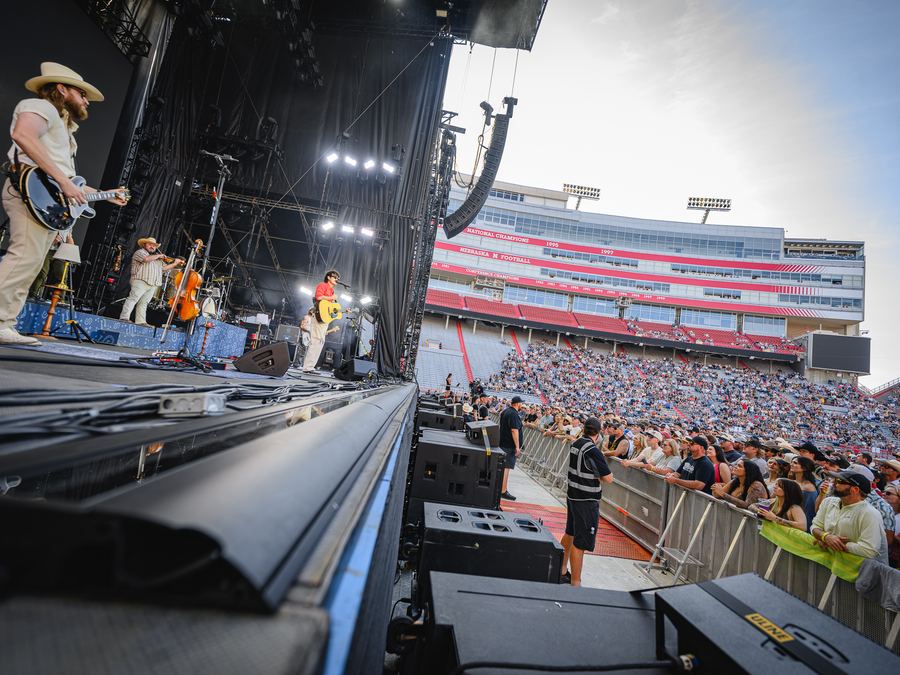
Our job is to make sure it's finished. That starts with a site survey — we walk the grounds, look at power, access, grades and sightlines, and build the plan around what's actually there rather than what the rendering says is there. Then we build: stages, audio, lighting, video, truss, barricade, power, and the run of show that keeps each changeover inside its slot.
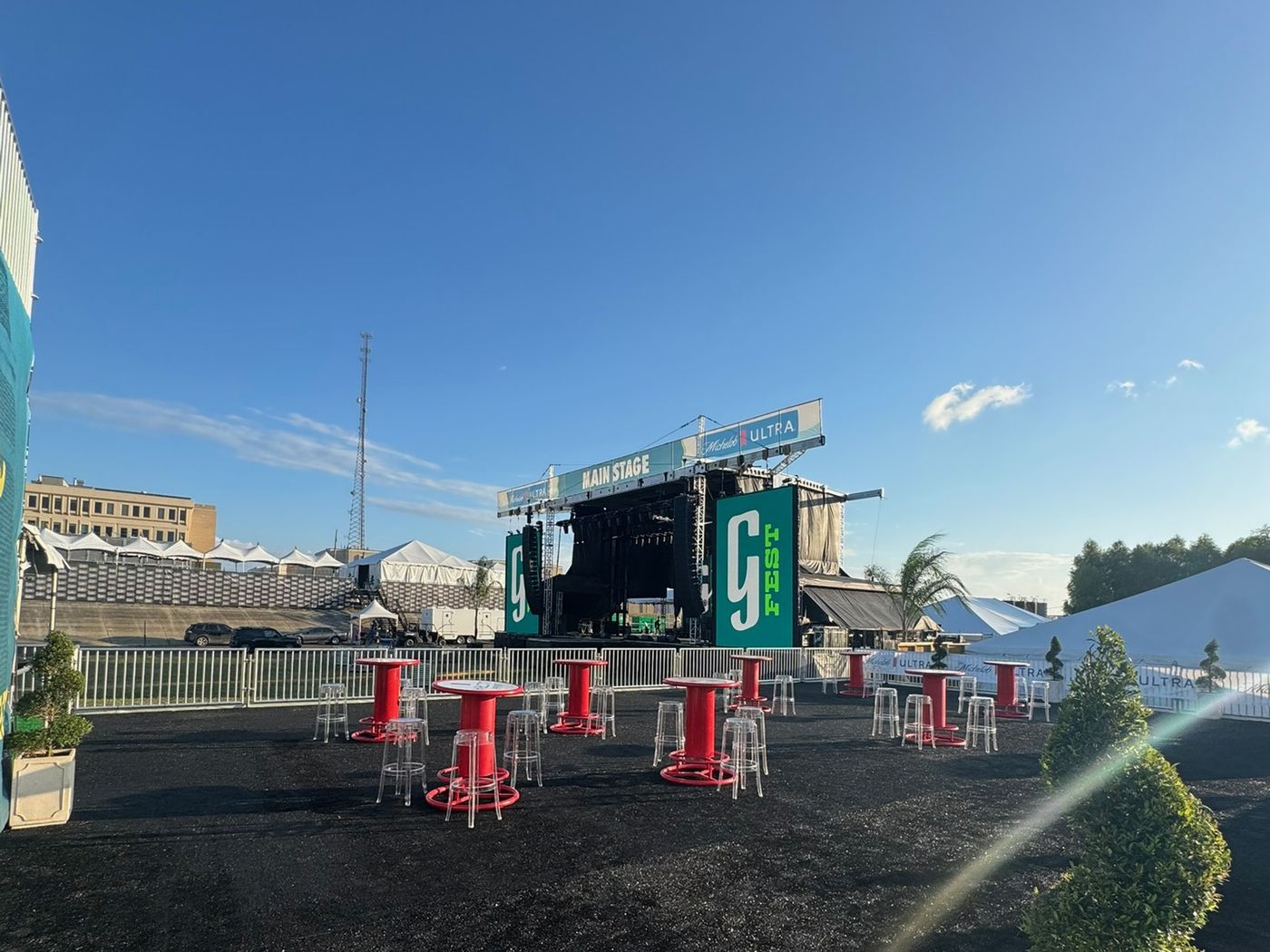
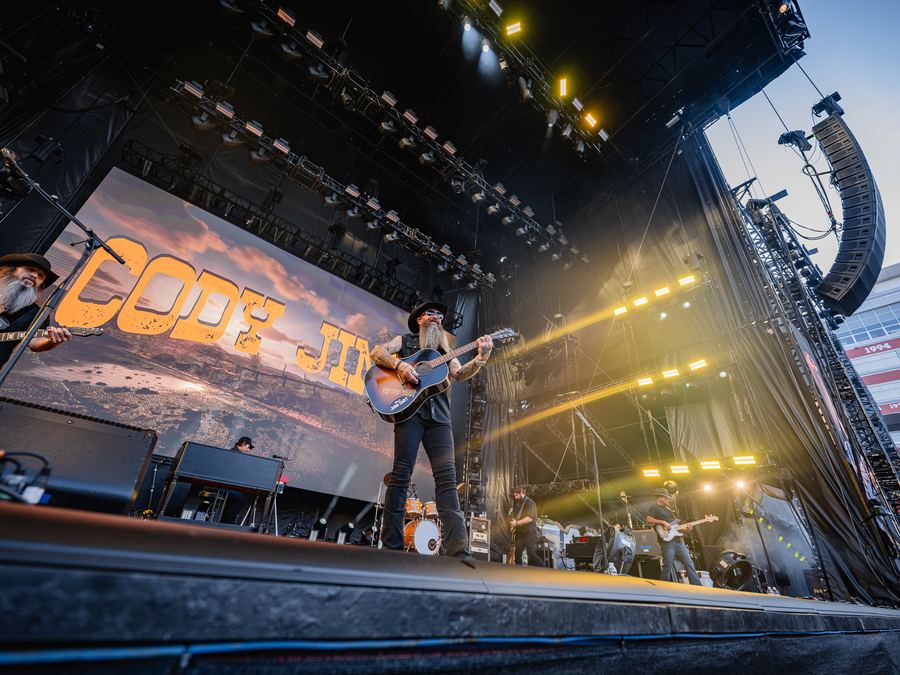
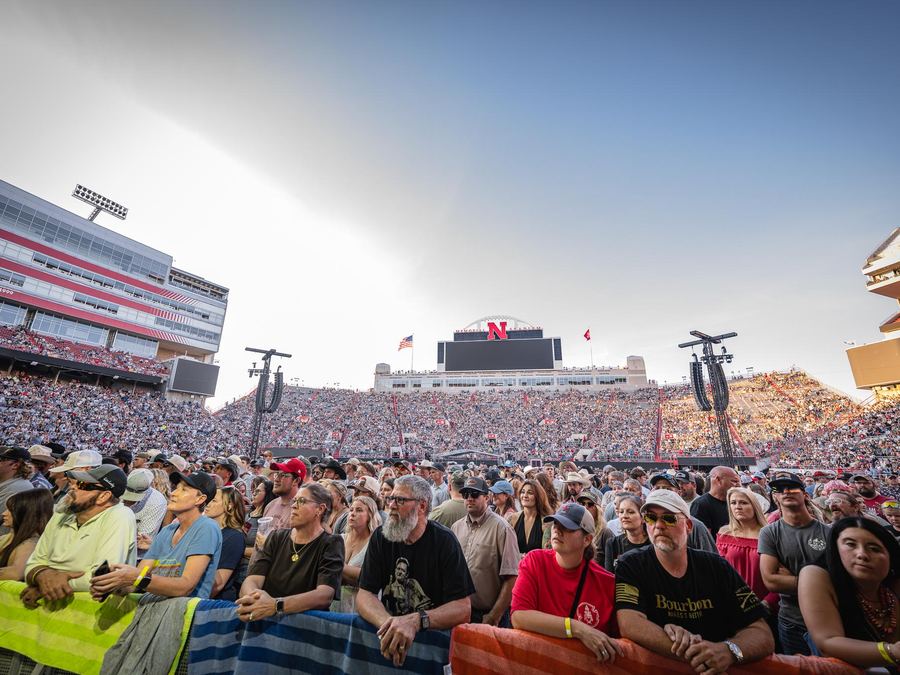
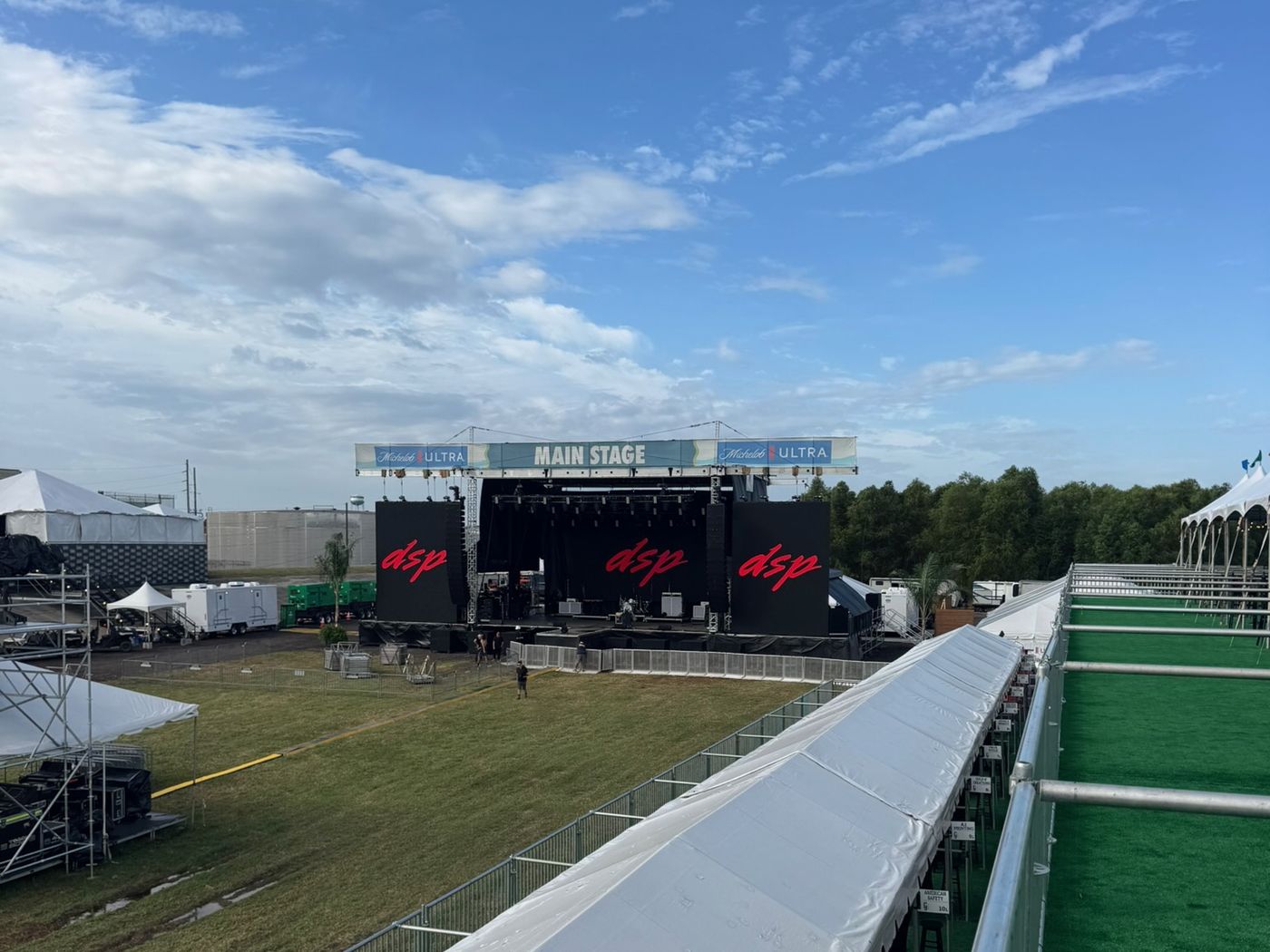
We've delivered festival stages and site production for events including Ultra Music Festival, Imagine Music Festival, Gretna Fest, Bayou Classic, Cattle Country Music Fest and the Washington Parish Free Fair — outdoor sites, fairgrounds, downtown streets and multi-day music festivals. The full list of named work is on Clients & Credits. The scale changes. The standard doesn't.
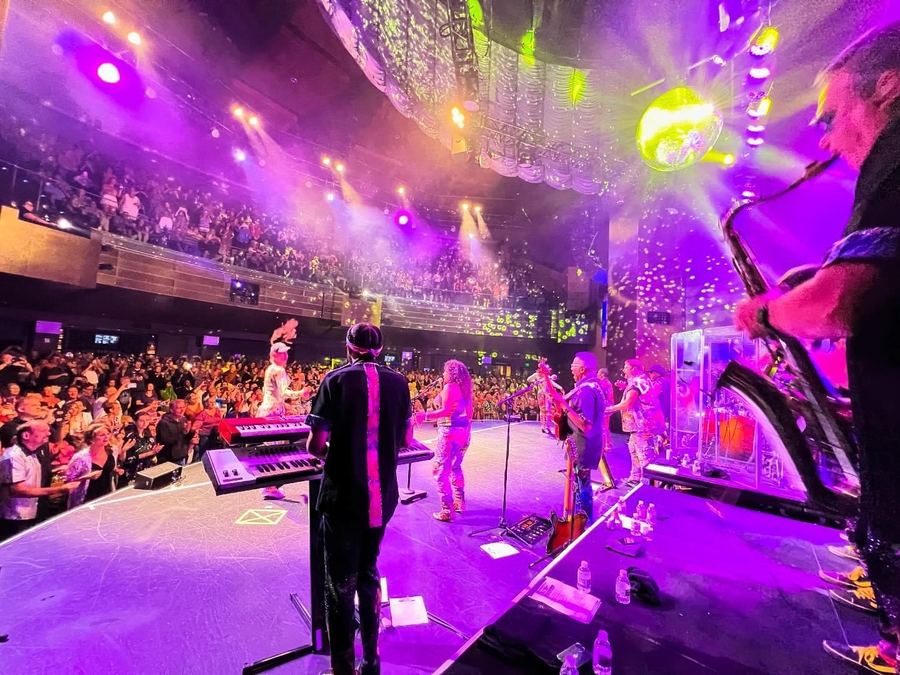
A tour is a production problem that repeats.
Every show has to load in, set up, run, strike and load out on a clock, then do it again tomorrow in a different building with a different ceiling and a different power situation.
Rider-ready inventory. Audio, lighting and video gear that shows up as specified, so production doesn't spend soundcheck renegotiating the rider.
Routing and trucking. Our own fleet moves the rig between markets across the US and into Canada.
Consistent crews. The same hands on the same rig, night after night.
Backline and dry-hire support. For productions that carry their own rig and need pieces filled in, we rent equipment without crew to production companies, venues and promoters.
A lot of festival sites don't come with a stage.
We own mobile stages, so the stage arrives with the trucks, sets up on the day, and comes down when the festival's over — which is often faster and cleaner than a ground build, especially for second stages, one-day events and sites where the grass has to survive the weekend.
Mobile stages come rigged for audio, lighting and video, so the PA hangs off the roof and the array flies where it's designed to. For main stages and larger builds, we construct from staging and truss inventory — Mobile Stages covers both ends, and we'll tell you honestly which one your site calls for.
What we need from you, and what you get back
01 Site survey and scope
We walk the site or the venue, we talk through the run of show, and we write down what the production actually requires — including the redundancy you hope you never use.
02 A written scope and a number
Not a range, not a pitch — a written scope and a number, with the load-in, show days and load-out all accounted for.
03 Execution
Our gear, our trucks, our crews, one accountable company. If something fails at 4pm on show day, it gets handled before doors.
We don't need a finished plan to start a conversation. A date and a city is enough. If your event is inside two weeks, or a vendor has gone sideways on site, call the office instead of using the form — the phone is faster, and short-notice festival and tour work is a real part of what we do.
Why promoters and tour managers call us back
More than 30 years of load-ins. Award-winning lighting work — PLSN Regional Lighting Company of the Year at the 2022 Parnelli Awards. Owned inventory, owned fleet, owned crews. Home base in Sulphur, LA, with people on the ground in Houston and New Orleans, and trucks that run across the country and into Canada.
None of that makes the show. It just means that when something goes wrong — and on a festival site, something eventually does — the people who can fix it are already standing in the same field as the problem.
FAQ
What does festival production include?
Everything from the stage to the barricade: staging, audio, lighting, LED video, power, rigging, crew and trucking, scoped to your site and your run of show. Some promoters hand us the full site; others take one stage and handle the rest. We quote both ways.
Do you work only on main stages, or smaller stages too?
Both. A main stage with a full production design and a second stage running changeovers all day are different scopes, not different standards. The scale changes; the standard doesn't.
Can you supply a mobile stage instead of building a stage on site?
Yes, and we own ours rather than subcontracting them. A mobile stage often makes sense for second stages, one-day events and sites with tight load-in windows or ground you don't want torn up. We'll recommend the build based on the site, the headcount and the schedule, not on what's easiest for us.
How far in advance should we book festival production?
The earlier the better for anything with a multi-day site build, because gear and crews get committed around the calendar. That said, short-notice work is a real part of what we do — if your event is inside two weeks, call 337.626.2235 rather than using the form.
Do you handle tours as well as festivals, or just one-off shows?
Tours are a core part of the work — routing, trucking, crews and rider-ready audio, lighting and video across the United States and into Canada. If you carry your own rig and just need a piece filled in, dry-hire rental is also available to production companies, venues and promoters.
What do you need from us to give a quote?
The date, the city or venue, roughly the headcount, and what you need covered. If you already have a stage plot, a rider or a run of show, send it. You'll get a written scope and a number from a real producer, not a form response.
Tell us the date,
the site, the show.
You'll talk to a producer who has stood in the same mud — and you'll get a written scope and a number.