

Sulphur, LA — 30.23° N / 93.37° W
Trade show booths, designed, built and run.
A trade show floor doesn't wait. Load-in windows are short, dock schedules are fixed, and the hall opens whether or not your booth is finished. We design custom exhibits, build them in our own shop with our own gear and crews, and install them on schedule — because the scale changes, the standard doesn't.
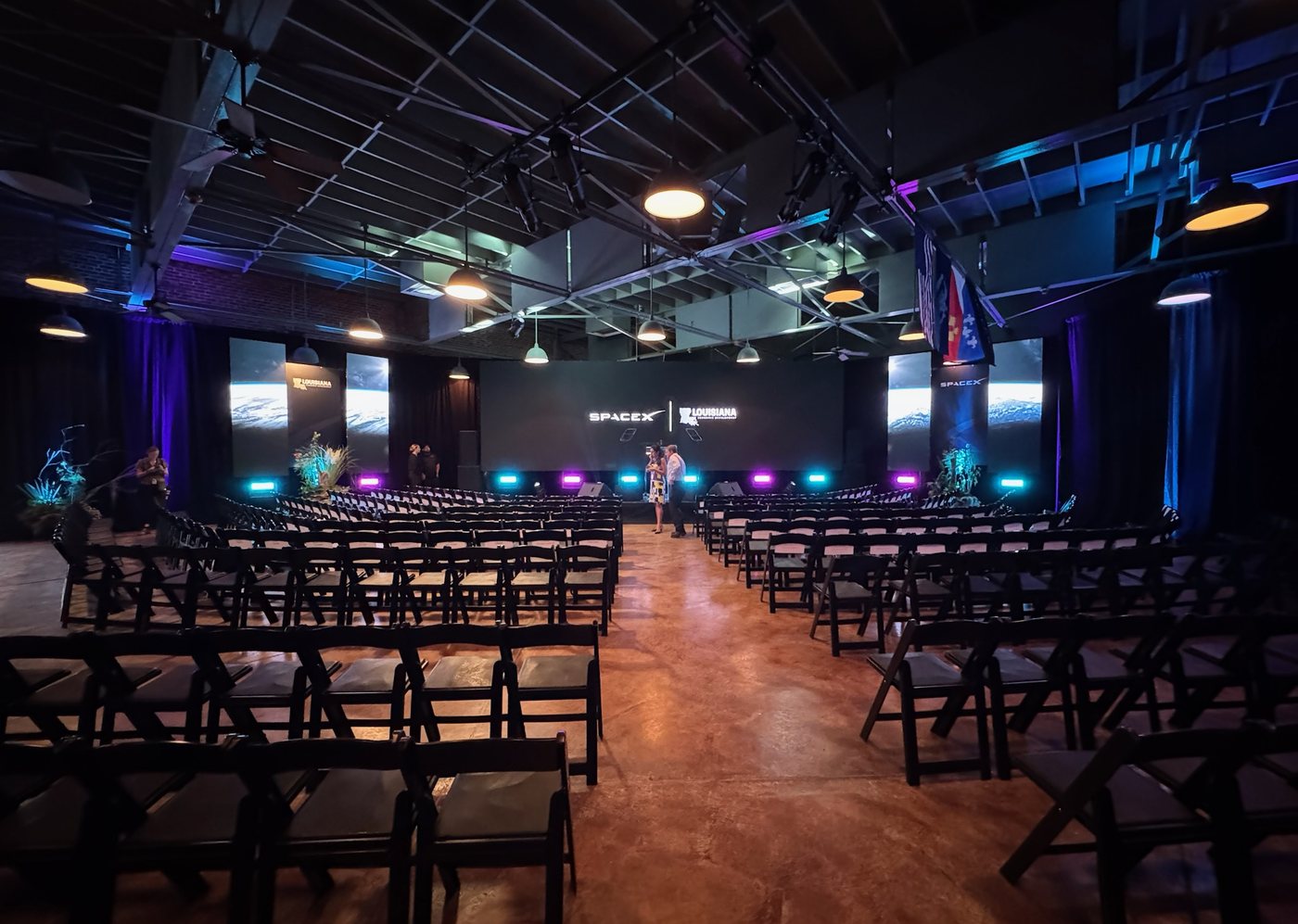
A trade show floor doesn't wait.
A trade show floor doesn't wait. Load-in windows are short, dock schedules are fixed, and the hall opens whether or not your booth is finished. We design custom exhibits, build them in our own shop with our own gear and crews, and install them on schedule — because the scale changes, the standard doesn't.
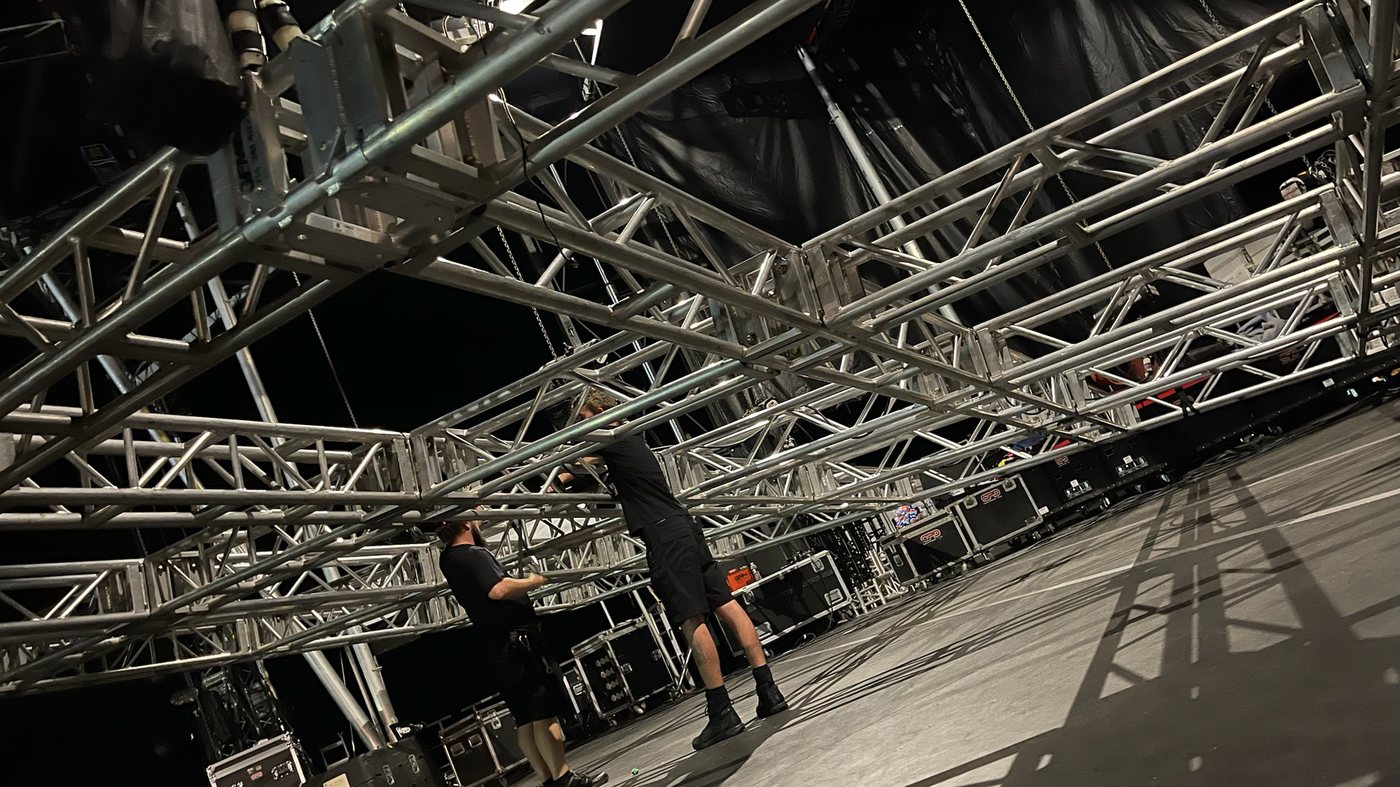
Custom structures and scenic
fabricated walls, towers, hanging structures, fabric, graphic substrates and finishing
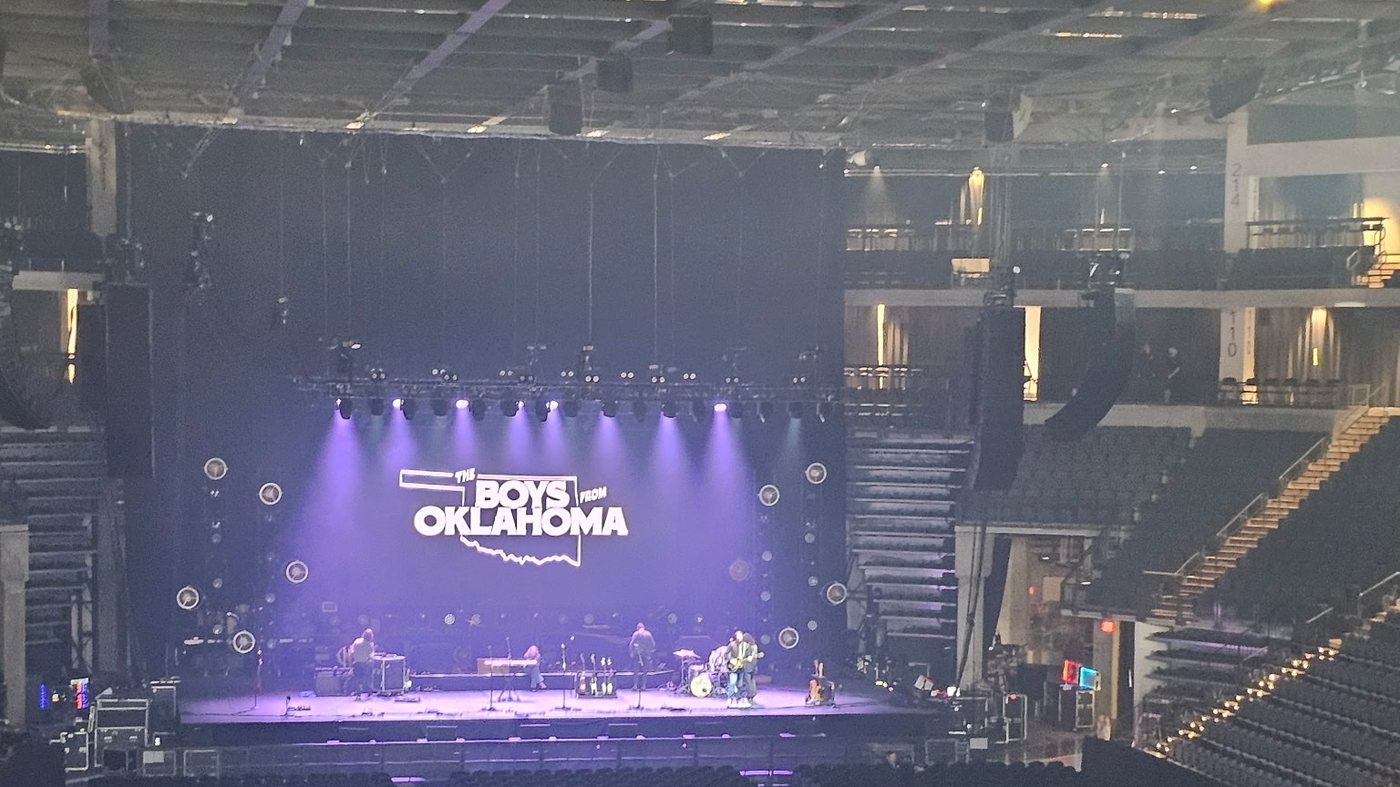
Staging and rigging
decks, risers, truss and points for hanging displays, engineered to the hall's requirements
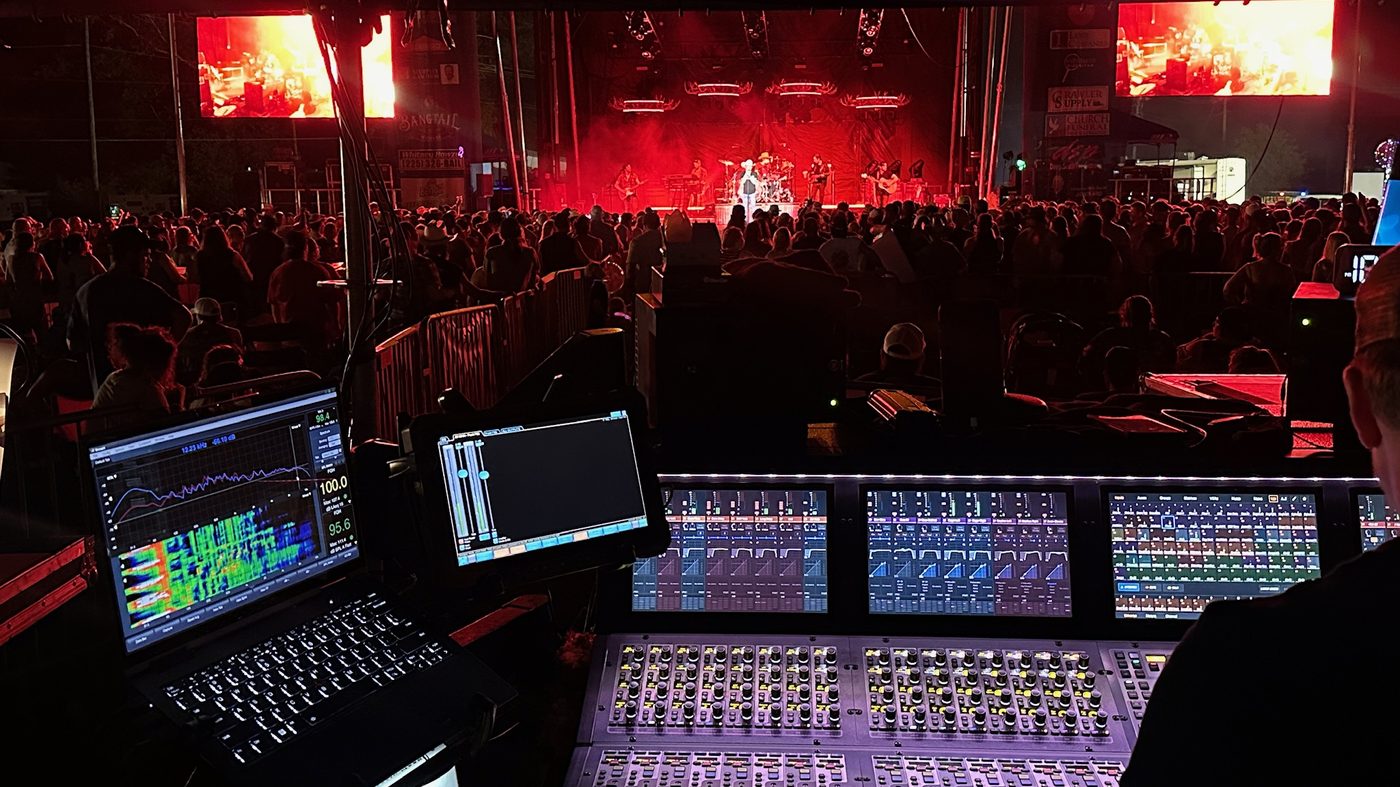
Audio
booth sound that stays inside your space, presentation audio for in-booth theaters and demo stages
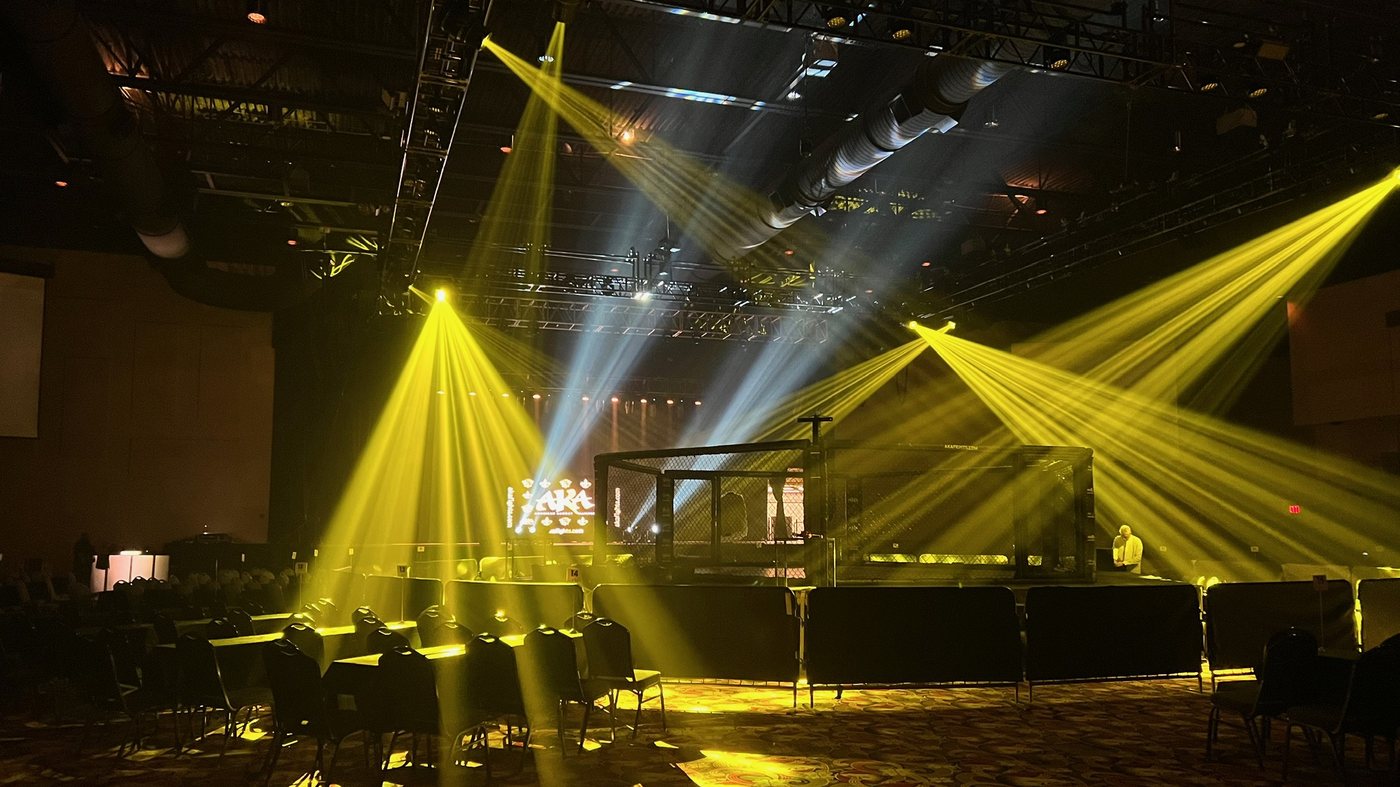
Lighting
product and display lighting, color washes, moving light packages for activations
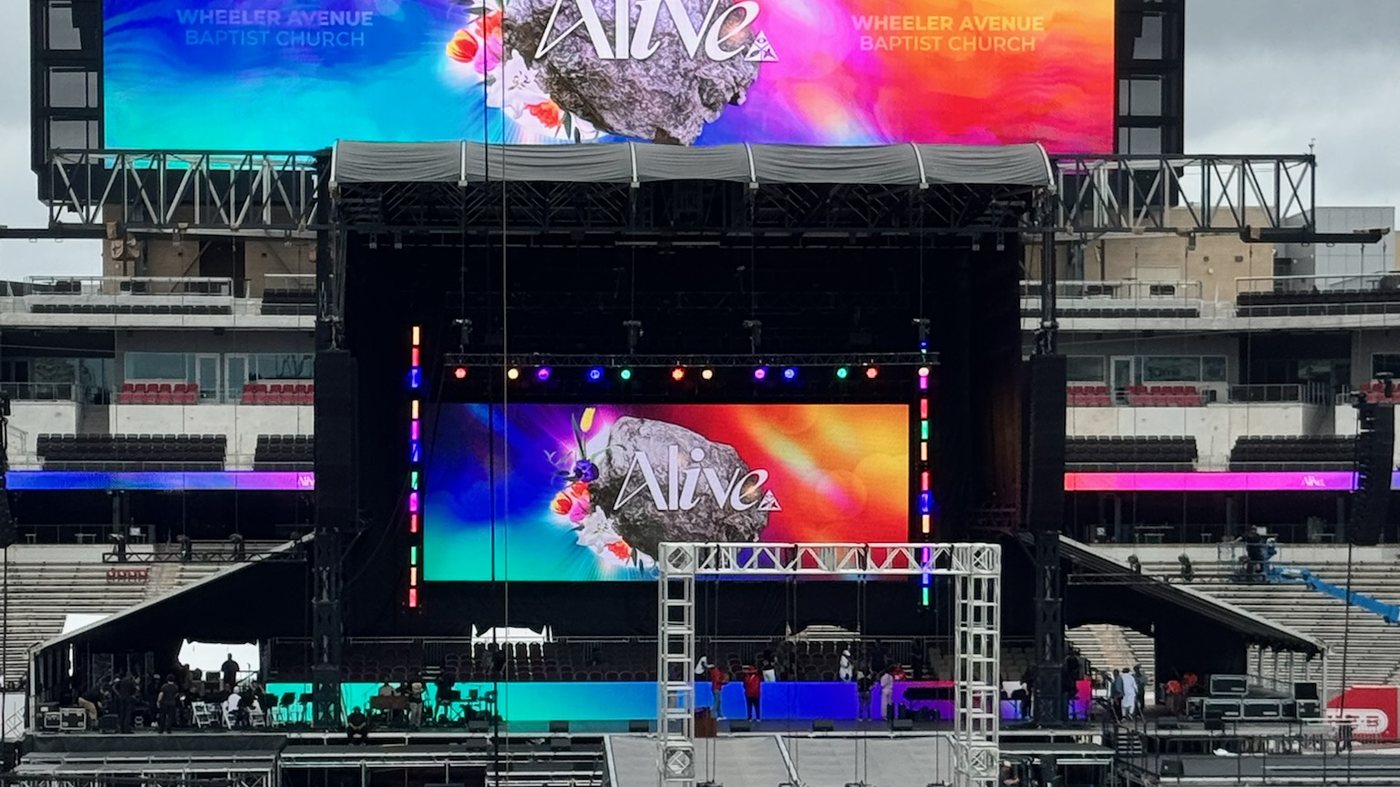
LED video
video walls and displays sized to your footprint, content playback, live camera feeds for demos
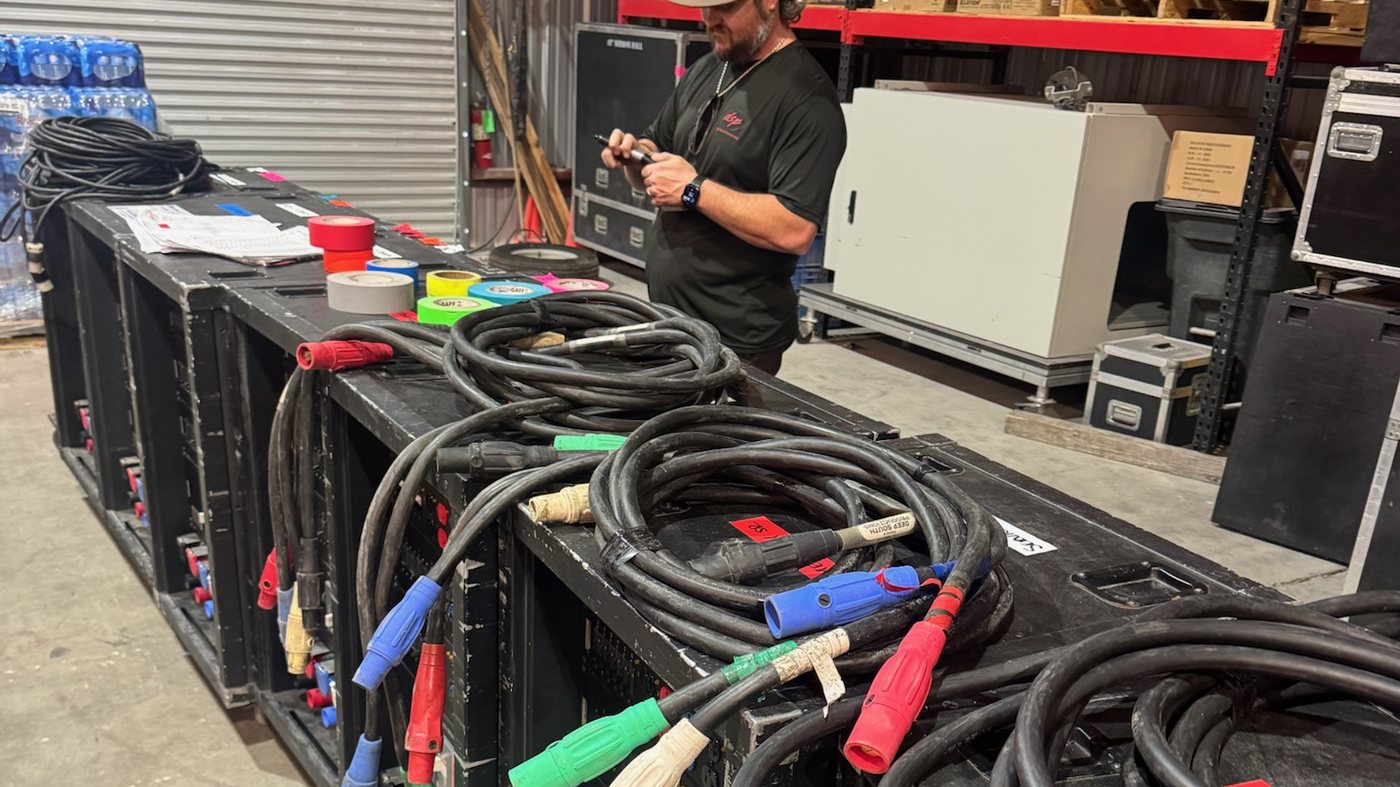
Power and distribution
clean power for sensitive gear, generators where the hall can't feed you
Logistics
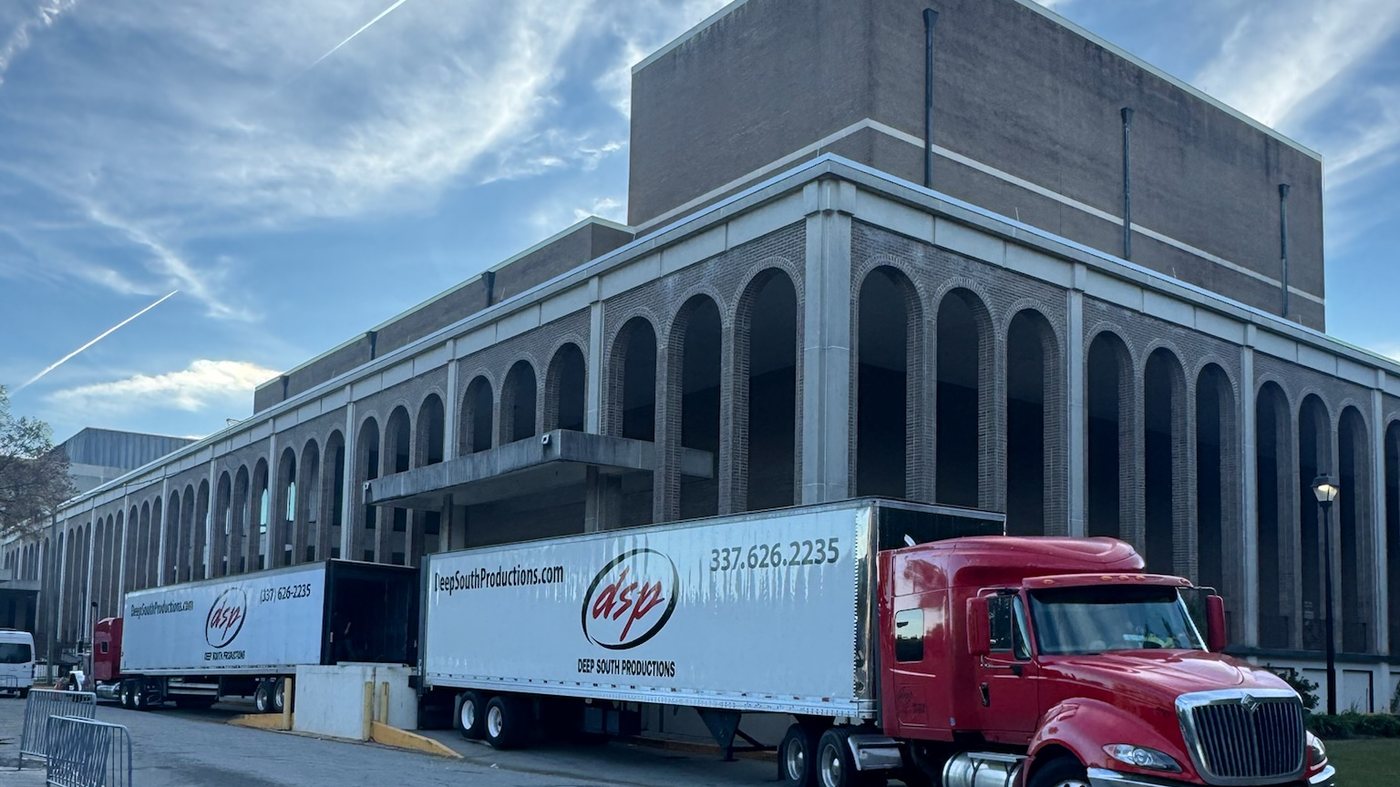
our own trucking, our own crews, load-in to load-out
The booth, from drawing to floor
Most trade show exhibitors piece a booth together: a fabricator for the build, an AV vendor for the screens, an electrician for power, a labor call for install. Every handoff is a place where the schedule can slip. We do the whole thing as one job.
Design starts with your footprint and what has to happen inside it — product displays, demo stations, a meeting room, a presentation stage, storage that hides the cases. From there we produce a build: staging, custom structures, truss, rigging, fabric and scenic elements, all specified against your space and your budget before anything gets cut. Then our crews install it inside your move-in window and strike it at the end of the show.
One company is accountable from the site survey to the last truck off the lot. If something goes sideways on the floor, you have one number to call — ours.
Working with exhibition halls
Halls have their own rules, and we've worked enough of them to know how it goes. Move-in windows that shrink the week before. Dock schedules that change the night before. Union jurisdictions over who touches what on the floor. Rigging points that have to be engineered and submitted before anyone hangs a fixture.
Part of every job is the site survey — the actual hall, the actual booth number, the actual power drop, the dock schedule, the forklift situation, the venue's labor rules. We build the crew plan to match the hall, so there are no surprises on move-in day. If the venue requires its own labor for certain tasks, we plan for it in the scope and the schedule instead of discovering it at the dock.
We're also used to working alongside general contractors and exhibit-service providers. Tell us who's doing what and we'll plan around it.
Owned gear, on our trucks
We own our audio, lighting, LED video, staging and mobile stage inventory. We run our own fleet and staff our own crews. That matters on a show floor for three reasons.
The schedule
Halls give you a load-in window, not a suggestion. When we control the gear and the trucks, we control whether we hit the window.
The redundancy
When something fails at 4pm on show day, we have a spare in the warehouse — not a vendor we're waiting on.
The number
No sub-rental markups stacked three deep. You get a written scope and a number, and the gear on the floor is the gear we quoted.
Scale in both directions
We build festival main stages and we build hotel ballroom AV. A 10×10 booth with a single demo screen and a pair of speakers is a real job and we treat it like one. So is a multi-thousand-square-foot island exhibit with a hanging structure, an LED wall and a stage for hourly presentations. A double-deck activation with a private meeting room upstairs. Same standard at every size.
More than 30 years of load-ins. Regional Lighting Company of the Year at the 2022 Parnelli Awards. The roster that matters is on Clients & Credits — the ones we're able to name. It includes convention-scale work like the Offshore Technology Conference, and corporate and government clients including NASA Johnson Space Center.
Where we work
Home base is Sulphur, LA, with locations in Houston and New Orleans. We work across the United States and into Canada with our own fleet — the trucks, the gear and the crews travel together. That's what makes an out-of-town show manageable: we're not coordinating a local labor call and a third-party trucking firm in a city where we've never loaded in. If we have, we already know the dock.
Beyond the booth
Most trade show programs don't stop at the exhibit. There's a keynote across the hall, a client dinner that night, a satellite activation off-site. We build all of it.
That's the advantage of one producer. The line array that covers your in-booth theater comes off the same truck as the LED wall over your product display and the generators feeding the after-party. One crew installs all of it. One producer answers for all of it. Event Production covers the wider picture — general sessions, breakouts and full multi-day programs.
Brand activations
An activation has to stop people in an aisle. That's a lighting problem, an audio problem and a video problem before it's a marketing problem — and the build has to survive foot traffic, long show days and abuse. We design activations with the operational vocabulary they demand: run of show, headcount, strike times, trucking. If the activation travels, we can move it city to city. Corporate Events & Brand Activations has more on how we work with brand teams and agencies.
What we need from you
Less than you'd think. To give you a real number:
A date and a city is enough to start the conversation. The rest we can build from the site survey.
The show and the city
and the hall, if it's booked
Your footprint
booth size in square feet, and whether it's inline, corner or island
Move-in and move-out dates
the hall's schedule, not yours
What has to happen in the space
displays, demos, a theater, a meeting room, all of the above
Who else is involved
a general contractor, an exhibit house, an agency, a fabricator
FAQ
Do you design custom booths, or only install them?
Both. We design and build custom exhibits — structures, staging, scenic, graphics substrates, audio, lighting and video — and we handle the install and strike ourselves. You get one scope, one schedule and one number instead of a fabricator, an AV vendor and a labor broker.
Can you work alongside our exhibit house or fabricator?
Yes. We regularly handle the production layer — audio, lighting, video, power, rigging — while an exhibit house handles the build. Tell us who's doing what and we'll plan around it.
Do you work in union halls?
Halls vary in their rules about who does what on the floor. Part of the site survey is understanding the venue's requirements and building the crew plan to match, so there are no surprises on move-in day.
Can you produce off-floor events during the show?
Yes — keynotes, client hospitality, off-site dinners and activations. We handle them under the same scope and the same truck, which is usually simpler than adding a second vendor across town.
How far in advance should we book?
Earlier is better — hall schedules and rigging points fill up. But short-notice work is a real part of what we do, and the phone is faster than the form if you're inside two weeks.
Do you travel outside Louisiana?
Yes. Sulphur is home base, with locations in Houston and New Orleans, and we work across the United States and into Canada with our own fleet.
Send us
the show, the city and the footprint.
You'll get a real producer, not a form response — and a written scope and a number.